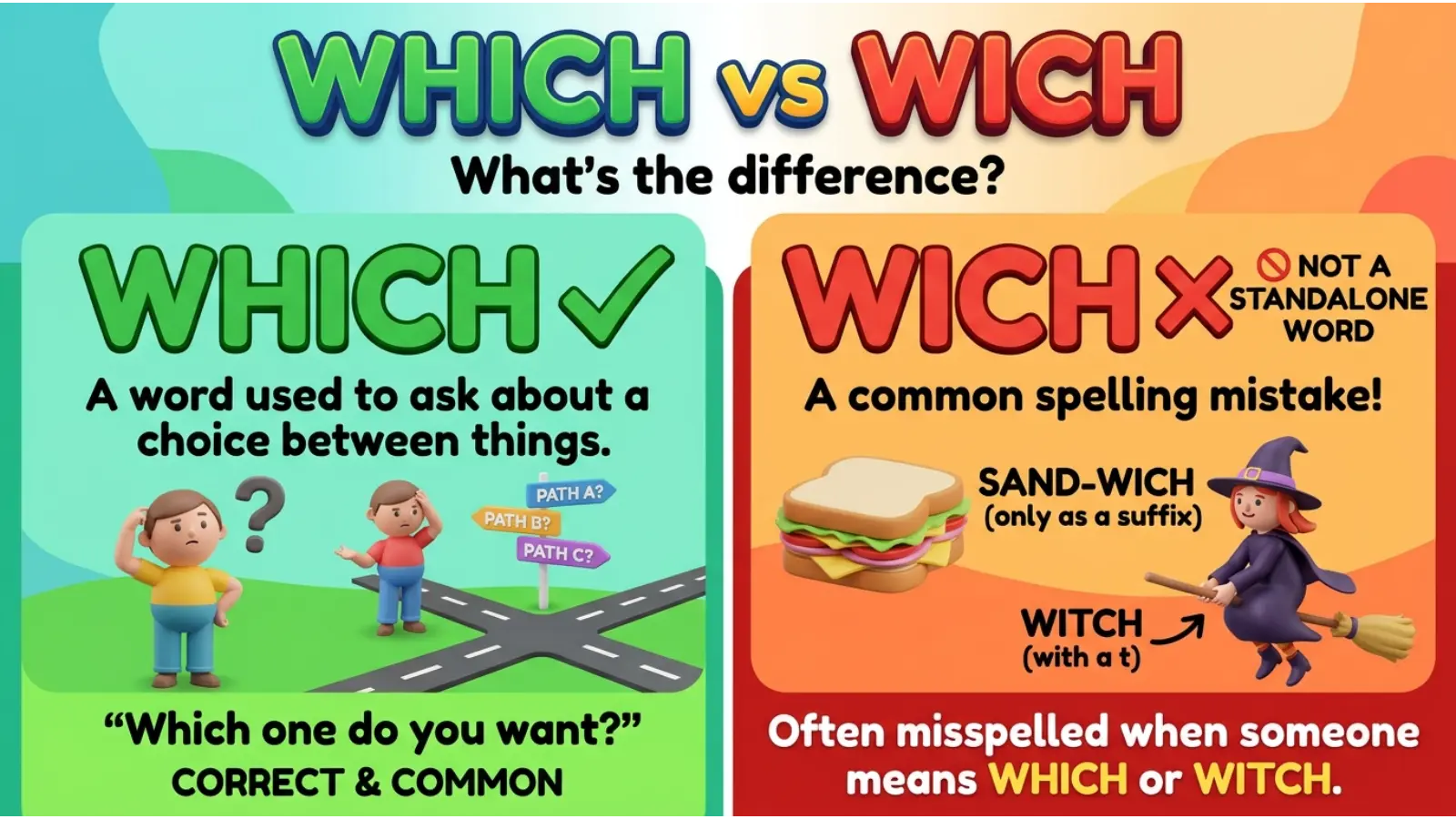
“Lose” and “loss” are two commonly confused English words that look similar but are used in different ways. “Lose” is a verb that refers to not being able to keep something, while “loss” is a noun that describes the result or feeling of losing something. Many learners mix them up in writing and speaking, which can lead to grammatical mistakes. Understanding the difference between “lose” and “loss” helps improve sentence accuracy and makes communication clearer and more natural in everyday English.
You will see these words in school English, exams, social media posts, text messages, and even in everyday conversations. The confusion happens because both words talk about something going away, but their grammar use is different.
For example:
- “I don’t want to lose my keys.”
- “There is a big loss in business.”
Understanding lose or loss is important because using the wrong word can change the meaning of your sentence and make your English sound incorrect.
In this guide, you’ll learn the meaning, examples, usage, differences, common mistakes, and simple explanations in easy English.
LOSE OR LOSS – QUICK ANSWER
👉 Lose = a verb (action word) meaning to not keep something
👉 Loss = a noun meaning something that is gone or missing
Examples:
- I don’t want to lose my phone. ✅
- The company faced a big loss. ✅
- Try not to lose your homework. ✅
Simple rule:
👉 Lose = action (verb)
👉 Loss = result (noun)
Easy memory trick:
- If you can “do it” → lose
- If it “happens or exists” → loss
THE ORIGIN OF LOSE OR LOSS
The words lose or loss come from Old English.
- Lose comes from the word “losian” meaning “to destroy or get rid of.”
- Loss comes from “los” meaning “destruction or failure.”
Over time, English speakers started using:
- lose for actions
- loss for results
Today, these words are very common in both speaking and writing, especially in exams, business, and daily communication.
On social media, people often confuse them because they sound similar when spoken quickly.
BRITISH ENGLISH VS AMERICAN ENGLISH USAGE
Good news: lose or loss is used the same way in both British and American English.
There is no difference in spelling or meaning.
| Feature | British English | American English | Notes |
|---|---|---|---|
| Lose | lose | lose | Same usage |
| Loss | loss | loss | Same usage |
| Meaning | action vs noun | action vs noun | No difference |
So no matter where you are, the rules stay the same.
WHICH ONE SHOULD YOU USE?
Here is the correct usage of lose or loss:
- Use lose when talking about an action
- Use loss when talking about the result
Best situations:
- School writing → essays, grammar tests
- Workplace → emails, reports
- Daily conversation → speaking clearly
- Social media → captions and posts
Simple guide:
- If you are DOING something → use lose
- If something is GONE or MISSED → use loss
COMMON MISTAKES WITH LOSE OR LOSS
Mistake 1
❌ I don’t want to loss my wallet
✔ I don’t want to lose my wallet
Mistake 2
❌ He lose his phone yesterday
✔ He lost his phone yesterday
Mistake 3
❌ There is a big lose in the company
✔ There is a big loss in the company
Mistake 4
❌ She is afraid of loss weight
✔ She is afraid of losing weight
LOSE OR LOSS IN EVERYDAY EXAMPLES

Work:
- The company may lose customers if prices increase.
- The company reported a financial loss.
School:
- Don’t lose your assignment.
- A loss of marks happens due to mistakes.
Social Media:
- “Don’t lose focus” (motivational post)
- “Big loss today 😢” (sad post)
Daily Life:
- I don’t want to lose my keys.
- The loss of time is harmful.
Text Messages:
- “Bro, don’t lose hope.”
- “That’s a big loss for you.”
LOSE OR LOSS – GOOGLE TRENDS & USAGE DATA
People search lose or loss a lot because it is a very common grammar confusion.
Popular countries:
- US
- UK
- India
- Pakistan
- Canada
- Australia
Why people search it:
- Exam preparation
- English learning
- Social media confusion
- Writing mistakes
Trend insight:
This keyword is popular among students and beginners who want simple English grammar help.
COMPARISON TABLE: LOSE OR LOSS
| Feature | Lose | Loss |
|---|---|---|
| Type | Verb | Noun |
| Meaning | To not keep something | Something gone or missing |
| Tense | lose / lost / losing | No tense |
| Usage | Action word | Result word |
| Example | I lose my phone | I feel a loss |
LOSE OR LOSS IN PROFESSIONAL LIFE

In professional English, lose or loss is very important.
Examples:
- Businesses track loss in profit reports.
- Companies try not to lose clients.
- HR teams avoid loss of employees.
Using the correct word shows good communication skills in emails, meetings, and reports.
LOSE OR LOSS FOR STUDENTS OR BEGINNERS
Many beginners confuse lose or loss because:
- They sound similar
- They are spelled close
- They are used in different grammar forms
Easy tips:
- Practice simple sentences daily
- Remember verb vs noun difference
- Read English books or captions
SIGNS OR CHARACTERISTICS RELATED TO LOSE OR LOSS
- Confusion between verb and noun
- Common spelling mistakes
- Misuse in exams
- Wrong sentence structure
- Similar pronunciation
- Common in beginner English learners
SIMPLE TRICK TO REMEMBER LOSE OR LOSS
👉 Lose = Action (you do it)
👉 Loss = Thing (you get it or feel it)
Think of it this way:
- If something is happening → lose
- If something is gone → loss
Example:
- I don’t want to lose my friend.
- That friendship is a big loss.
FAQS:
1. What is the difference between lose or loss?
Lose is a verb, and loss is a noun.
2. Can we use loss as a verb?
No, loss is only a noun.
3. What is the past tense of lose?
The past tense is “lost.”
4. Is it correct to say “I loss my phone”?
No, correct form is “I lost my phone.”
5. Why do people confuse lose or loss?
Because they sound similar and are closely spelled.
6. Can lose and loss be used in business English?
Yes, both are commonly used in business writing.
7. How can I remember lose or loss easily?
Think: lose = action, loss = result.
CONCLUSION
Understanding lose or loss is very important for correct English grammar. The main difference is simple: lose is an action, and loss is the result of that action.
If you remember just one thing:
👉 “Lose is something you do, loss is something you get.”
With practice, you will stop making mistakes and use both words correctly in daily English.

Sara Taylor is a passionate English content writer who specializes in word meanings, spelling comparisons, and modern slang explanations. She creates easy-to-understand articles that help readers avoid common English mistakes and improve their writing skills. Her content focuses on simple learning, real-life examples, and clear explanations for everyday readers.