Kimchee or kimchi is a question many people ask when they see this famous Korean food written in different ways online. You may notice one spelling on a restaurant menu, another in a recipe, and a different version on social media.
This can be confusing, especially for people who are learning about Korean culture or trying Korean food for the first time. Some people wonder if kimchee and kimchi are different foods. Others want to know which spelling is correct and which one they should use.
Today, Korean food is popular around the world. You can see it in schools, workplaces, restaurants, cooking videos, social media posts, and internet searches. As Korean culture continues to grow globally, more people are becoming interested in foods like kimchi.
Understanding the difference between these spellings helps you communicate clearly. It can also help when reading recipes, ordering food, writing articles, or talking about Korean cuisine with others.
The good news is that the answer is simple. Both words refer to the same food, but one spelling is more commonly used today.
In this guide, you’ll learn the meaning, examples, usage, differences, common mistakes, and simple explanations in easy English.
Kimchee or Kimchi – Quick Answer
👉 Kimchee and kimchi mean the same Korean fermented vegetable dish.
However, kimchi is the modern and most widely accepted spelling.
Kimchee is an older alternative spelling that is still sometimes used.
Examples
1 I eat kimchi with rice.
2 This restaurant serves homemade kimchi.
3 My grandmother learned how to make kimchi from a Korean recipe.
Simple Rule
👉 Use “kimchi” in most situations because it is the standard spelling today.
The Origin of Kimchee or Kimchi
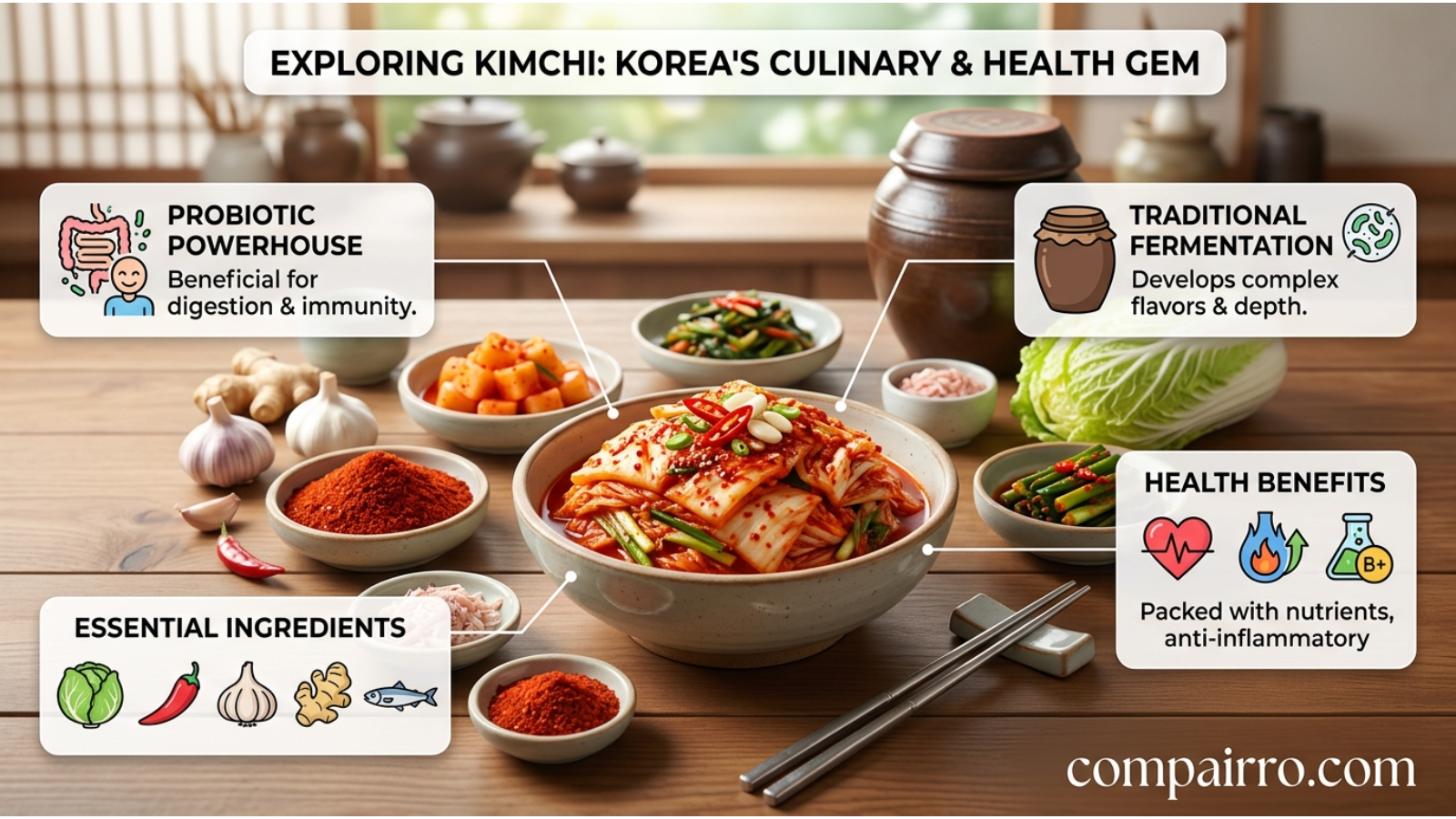
Kimchi is a traditional Korean dish that has existed for hundreds of years. It is usually made from fermented vegetables, especially napa cabbage and radish, mixed with seasonings.
The word comes from the Korean language. As Korean words were translated into English, different spelling systems were used.
Because of this, English speakers sometimes wrote the word as:
- Kimchee
- Kimchi
- Gimchi
Over time, kimchi became the most accepted spelling internationally. Today, it appears on food packages, restaurant menus, cooking websites, and official Korean tourism materials.
The rise of Korean culture, K-pop, Korean dramas, and Korean food trends helped make the spelling kimchi even more popular worldwide.
British English vs American English Usage
Unlike some English words, there is no major British or American spelling difference here.
Both countries generally use kimchi as the preferred spelling.
| Feature | British English | American English | Notes |
|---|---|---|---|
| Common spelling | Kimchi | Kimchi | Most widely used |
| Alternative spelling | Kimchee | Kimchee | Less common |
| Restaurant menus | Kimchi | Kimchi | Standard choice |
| Food packaging | Kimchi | Kimchi | Used globally |
Key Point
👉 The usage is mostly the same worldwide, and kimchi is the preferred spelling in both British and American English.
Which One Should You Use?
For most situations, use kimchi.
Use Kimchi When:
- Writing articles
- Posting on social media
- Creating recipes
- Talking about Korean food
- Writing school assignments
- Creating food blogs
- Using professional or formal writing
Use Kimchee When:
- Referring to older publications
- Quoting a brand that uses the spelling
- Discussing historical spellings
Best Choice
👉 If you’re unsure, choose kimchi.
Common Mistakes With Kimchee or Kimchi
Mistake 1
❌ Kimchee and kimchi are different foods.
✔ They are the same food. Only the spelling is different.
Mistake 2
❌ Kimchee is the modern spelling.
✔ Kimchi is the modern and more accepted spelling.
Mistake 3
❌ Kimchi refers only to cabbage.
✔ Kimchi can be made from different vegetables.
Mistake 4
❌ All kimchi tastes the same.
✔ Different recipes create different flavors and levels of spice.
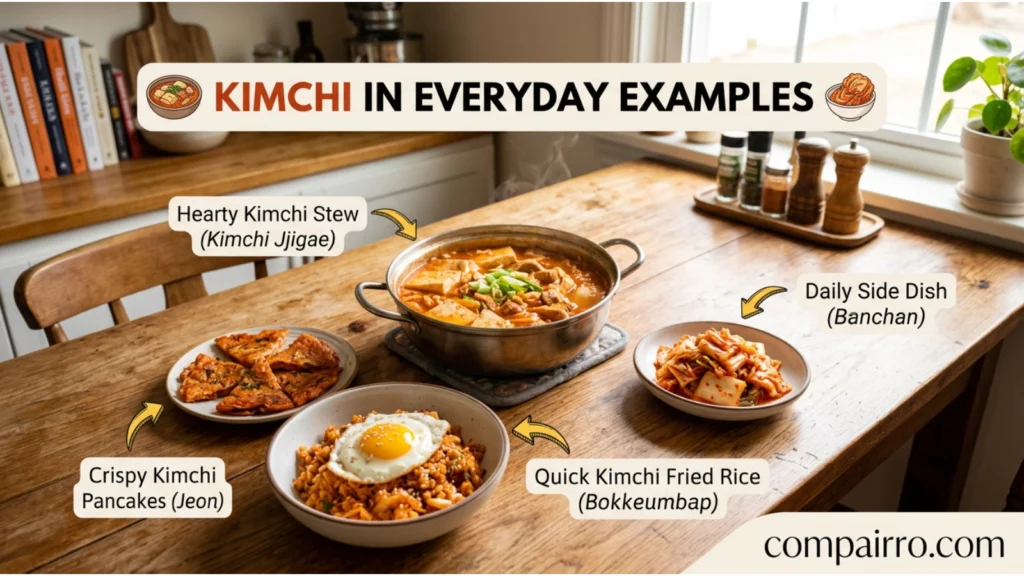
Kimchee or Kimchi in Everyday Examples
Work
“My coworker brought kimchi for lunch today.”
School
“We learned about Korean food, including kimchi, in class.”
Social Media
“I tried homemade kimchi for the first time!”
Daily Life
“Kimchi is a common side dish in Korean meals.”
Text Messages
“Let’s order Korean food. I want kimchi.”
Kimchee or Kimchi – Google Trends & Usage Data
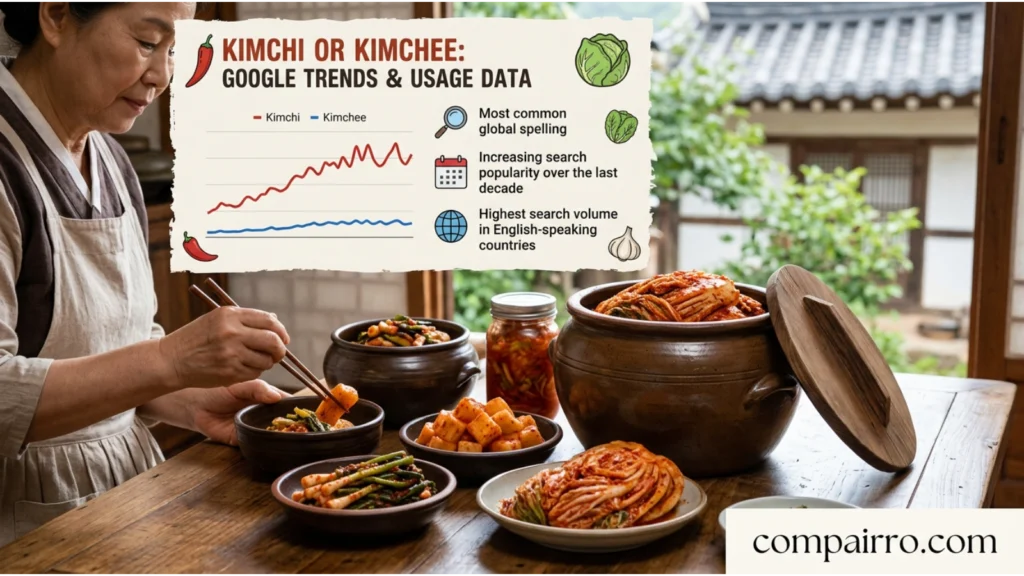
Many people search for kimchee or kimchi because they see both spellings online and want to know which one is correct.
Why People Search It
- Spelling confusion
- Korean food popularity
- Recipe searches
- Restaurant menus
- Cultural interest
Popular Countries Searching for Kimchi
- United States
- United Kingdom
- India
- Pakistan
- Canada
- Australia
Internet Popularity
The growth of Korean culture has increased interest in kimchi.
People often discover the term through:
- YouTube cooking videos
- Korean dramas
- K-pop content
- Food blogs
- Social media platforms
Today, searches for kimchi are much more common than searches for kimchee.
Comparison Table: Kimchee or Kimchi
| Feature | Kimchi | Kimchee |
|---|---|---|
| Meaning | Korean fermented dish | Same meaning |
| Modern usage | Very common | Less common |
| Preferred spelling | Yes | No |
| Found on menus | Frequently | Occasionally |
| Used in recipes | Frequently | Sometimes |
| Professional writing | Recommended | Less recommended |
Kimchee or Kimchi in Professional Life
Food writers, chefs, nutrition experts, restaurant owners, and food bloggers usually use the spelling kimchi.
Using the standard spelling helps readers understand the topic quickly and improves consistency across publications.
Professional uses include:
- Restaurant menus
- Food magazines
- Cooking websites
- Recipe books
- Nutrition articles
- Culinary education
Because kimchi is recognized globally, it is usually the preferred spelling in professional settings.
Kimchee or Kimchi for Students or Beginners
Many beginners become confused because they encounter both spellings online.
Common Confusion
- Are they different foods?
- Is one Korean and one English?
- Is one spelling wrong?
Easy Learning Tips
- Remember they refer to the same food.
- Use kimchi in writing.
- Notice that most modern recipes use kimchi.
- Look at restaurant menus for examples.
Beginner Rule
👉 Learn kimchi first because it is the standard spelling.
Signs or Characteristics Related to Kimchee or Kimchi
Common Characteristics of Kimchi
- Fermented food
- Traditional Korean dish
- Often made with cabbage
- Tangy flavor
- Can be spicy
- Served as a side dish
Common Uses
- Eaten with rice
- Added to soups
- Used in fried rice
- Included in Korean meals
- Used in modern fusion dishes
Popular Features
- Rich flavor
- Long history
- Cultural importance
- Worldwide popularity
Simple Trick to Remember Kimchee or Kimchi
👉 Kimchi = Modern standard spelling
👉 Kimchee = Older alternative spelling
Think of it this way:
If you search online for recipes, menus, or cooking videos, you will usually see kimchi.
When in doubt:
Kimchi = Today’s common choice.
This simple trick helps you remember which spelling to use.
FAQs:
Is kimchee the same as kimchi?
Yes. They refer to the same Korean fermented vegetable dish.
Which spelling is correct?
Both are correct, but kimchi is more widely accepted today.
Why do some people write kimchee?
It comes from older English transliterations of the Korean word.
Is kimchi always spicy?
No. Some types are spicy, while others are mild.
Where does kimchi come from?
Kimchi comes from Korea and has been part of Korean cuisine for centuries.
Which spelling appears more often online?
Kimchi appears much more frequently in modern searches and publications.
Should students use kimchi or kimchee?
Students should usually use kimchi because it is the standard spelling.
Conclusion
The debate over kimchee or kimchi is mostly about spelling, not meaning. Both words describe the same traditional Korean fermented vegetable dish.
Today, kimchi is the standard spelling used around the world. It appears on restaurant menus, food blogs, recipes, and professional publications. While kimchee is still recognized, it is much less common.
The easiest rule to remember is:
👉 Kimchi = modern and preferred spelling.
If you’re writing, speaking, or searching online, kimchi is usually the best choice.

Sara Taylor is a passionate English content writer who specializes in word meanings, spelling comparisons, and modern slang explanations. She creates easy-to-understand articles that help readers avoid common English mistakes and improve their writing skills. Her content focuses on simple learning, real-life examples, and clear explanations for everyday readers.