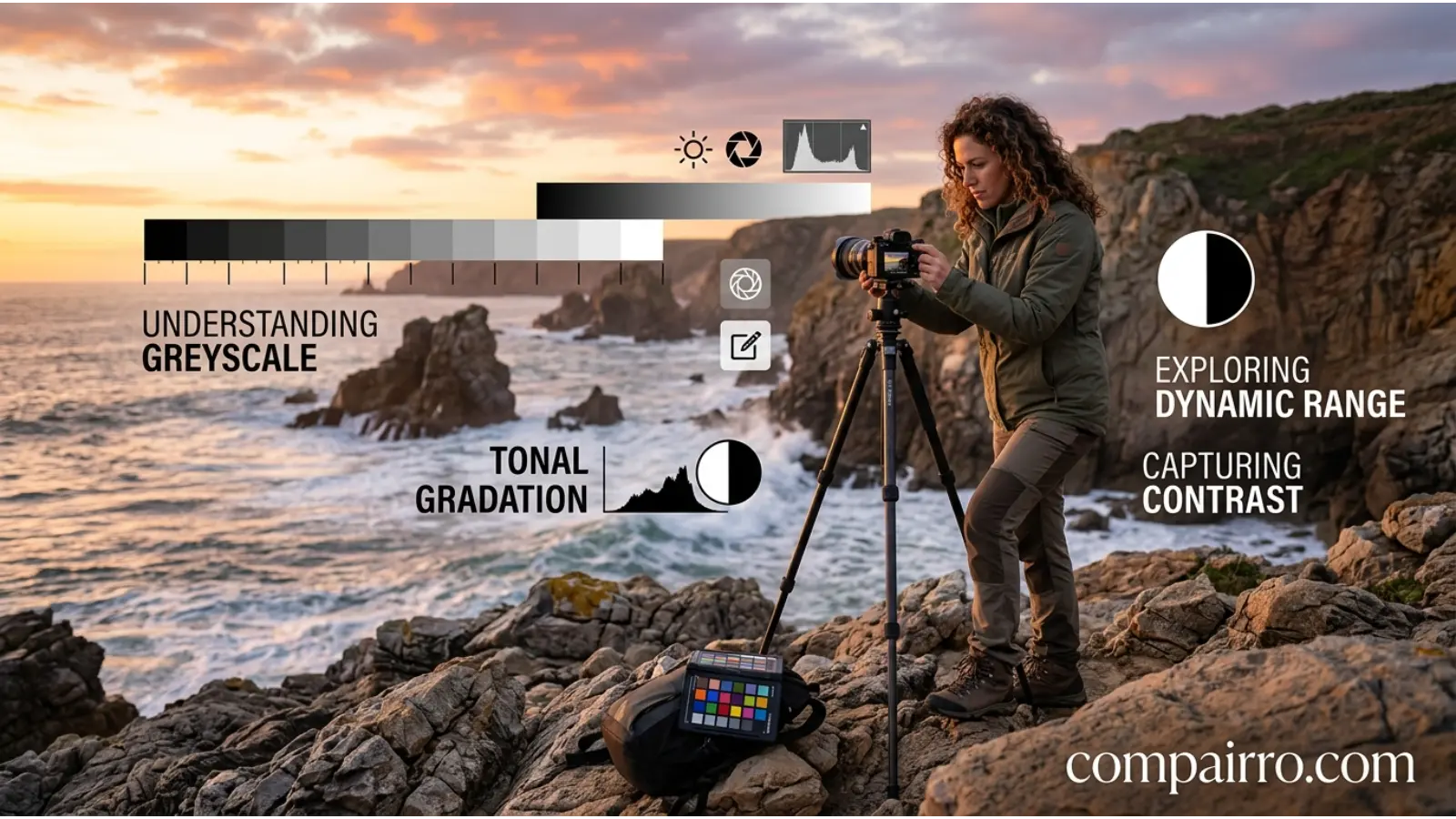
Have you ever edited a photo and seen the words “greyscale” or “grayscale”? Many people get confused and wonder if both words mean the same thing or if one is wrong. You may see these terms in photo editing apps, design software, printers, school projects, or even on social media.
This confusion is very common because both spellings are used online. Some websites use “greyscale,” while others use “grayscale.” Students, graphic designers, photographers, gamers, and beginners often search this topic to understand which spelling is correct.
The term is mostly used in technology, photography, digital art, printing, and computer graphics. It describes images that use only shades of gray instead of full colors. Understanding the difference matters because correct spelling can help in professional writing, design work, academic tasks, and online searches.
Many people also want to know which spelling is preferred in British English and American English. That is where the real difference begins.
In this guide, you’ll learn the meaning, examples, usage, differences, common mistakes, and simple explanations in easy English.
Greyscale or Grayscale – Quick Answer
👉 Greyscale and grayscale both mean an image made only with shades of gray, from black to white.
The difference is mainly spelling style:
- Greyscale = British English spelling
- Grayscale = American English spelling
Examples
“Grayscale” is the preferred American English spelling, while “greyscale” is commonly used in British English.
✅ “The artist used greyscale tones in the drawing.”
✅ “Most photo editors have a grayscale filter.”
Simple Rule
👉 Grey = British English
👉 Gray = American English
So:
- Greyscale → UK style
- Grayscale → US style
The Origin of Greyscale or Grayscale
The word comes from the color word “grey” or “gray” plus the word “scale.” It became popular with photography, television, printing, and digital imaging.
In early black-and-white photography, images were created using different shades between black and white. Over time, computer software and graphic design tools started using the term widely.
Today, both spellings are common on the internet. However, American software companies often use “grayscale,” which is why many people see it more often online.
British English vs American English Usage
The main difference is spelling style.
| Feature | British English | American English | Notes |
|---|---|---|---|
| Color spelling | Grey | Gray | Both are correct |
| Image term | Greyscale | Grayscale | Same meaning |
| Usage area | UK, Pakistan, Australia | US, Canada | Depends on region |
| Meaning | Shades of gray | Shades of gray | No meaning difference |
Which One Should You Use?
The best choice depends on your audience and writing style.
Use “Greyscale” when:
- Writing for British audiences
- Using UK English in school
- Creating content for UK websites
- Following British spelling rules
Use “Grayscale” when:
- Writing for American readers
- Using US-based software
- Working in graphic design tools
- Creating SEO content for US traffic
Important Tip
- Do not mix both spellings in one article or project.
- Choose one style and stay consistent.
Common Mistakes With Greyscale or Grayscale
Mistake 1
❌ “Greyscale and grayscale are different image formats.”
✔ Both words mean the same thing. Only the spelling changes.
Mistake 2
❌ “Grayscale is wrong in British English.”
✔ It is not wrong, but “greyscale” is more common in British English.
Mistake 3
❌ “Greyscale means black-and-white only.”
✔ Greyscale includes many shades between black and white.
Mistake 4
❌ “You can use both spellings randomly in one document.”
✔ Pick one spelling style and use it consistently.
Greyscale or Grayscale in Everyday Examples

Work
“Please convert the company logo to grayscale for printing.”
School
“The teacher asked students to draw a greyscale sketch.”
Social Media
“This black-and-white grayscale filter looks amazing!”
Daily Life
“My printer saves ink when I print in greyscale.”
Text Messages
“Can you send the image in grayscale?”
Greyscale or Grayscale – Google Trends & Usage Data
Many people search “greyscale or grayscale” because they want to know:
- Which spelling is correct
- Which version is better for SEO
- Which spelling software uses
- Whether both words have the same meaning
Popular Search Countries
- United States → mostly “grayscale”
- United Kingdom → mostly “greyscale”
- Canada → both spellings
- Australia → more “greyscale”
- India → mixed usage
- Pakistan → mixed usage
Why the Keyword Is Popular
The topic is common in:
- Photography
- Graphic design
- Video editing
- Gaming
- Digital art
- Printing
- School assignments
Social media filters and editing apps also increase searches for this term.
Comparison Table: Greyscale vs Grayscale
| Feature | Greyscale | Grayscale |
|---|---|---|
| Meaning | Shades of gray | Shades of gray |
| Correct spelling | Yes | Yes |
| English style | British | American |
| Used in software | Sometimes | Very common |
| SEO popularity | Lower | Higher |
| Professional use | UK-focused | Global/US-focused |
Greyscale or Grayscale in Professional Life

These terms are widely used in many industries.
Photography
Photographers use grayscale effects to create artistic images.
Graphic Design
Designers convert images to grayscale for logos, posters, and magazines.
Printing
Printers use greyscale settings to reduce ink usage.
Gaming
Game developers sometimes use grayscale graphics for special effects.
Medical Imaging
Doctors and hospitals use grayscale scans in X-rays and imaging systems.
Greyscale or Grayscale for Students or Beginners
Many beginners struggle because both spellings look correct.
Common Confusion
- Which one is official?
- Which spelling should I use?
- Why does software use “grayscale”?
Easy Learning Tips
- Remember the country rule:
- Grey = UK
- Gray = US
- Check your audience before writing.
- Follow one spelling style consistently.
- Use spell-check tools if needed.
Signs or Characteristics Related to Greyscale or Grayscale
Main Features of Greyscale Images
- Uses only shades of gray
- No bright colors
- Includes black, white, and gray tones
- Often used for simple designs
- Can reduce file size
Common Uses
- Photography
- Printing
- Design work
- Old movies
- Art sketches
- Medical scans
Benefits
- Cleaner visual look
- Easier focus on details
- Saves printer ink
- Gives artistic style
Simple Trick to Remember Greyscale or Grayscale
👉 Grey = British
👉 Gray = American
Think of it this way:
- “E” in grEy = England
- “A” in grAy = America
So:
- England → Greyscale
- America → Grayscale
This simple trick helps many beginners remember the difference quickly.
FAQS:
Is greyscale the same as grayscale?
Yes. Both words mean the same thing. Only the spelling is different.
Which spelling is more popular online?
“Grayscale” is more common because many American websites and software programs use it.
Is greyscale wrong?
No. It is the British English spelling.
Do Photoshop and editing apps use grayscale?
Yes. Most editing software uses the term “grayscale.”
Can I use both spellings in one article?
It is better to use only one spelling style for consistency.
Why do people search “greyscale or grayscale”?
People want to know which spelling is correct and which one they should use.
Does grayscale mean black and white only?
Not exactly. It includes many shades between black and white.
Conclusion
Greyscale and grayscale have the same meaning. The only real difference is spelling style. “Greyscale” is mostly used in British English, while “grayscale” is common in American English and software tools.
Both spellings are correct, but consistency matters. Choose the version that matches your audience, region, or writing style.
The easiest memory rule is:
👉 Grey = British
👉 Gray = American
Once you remember that, choosing between greyscale or grayscale becomes very simple.

Sara Taylor is a passionate English content writer who specializes in word meanings, spelling comparisons, and modern slang explanations. She creates easy-to-understand articles that help readers avoid common English mistakes and improve their writing skills. Her content focuses on simple learning, real-life examples, and clear explanations for everyday readers.