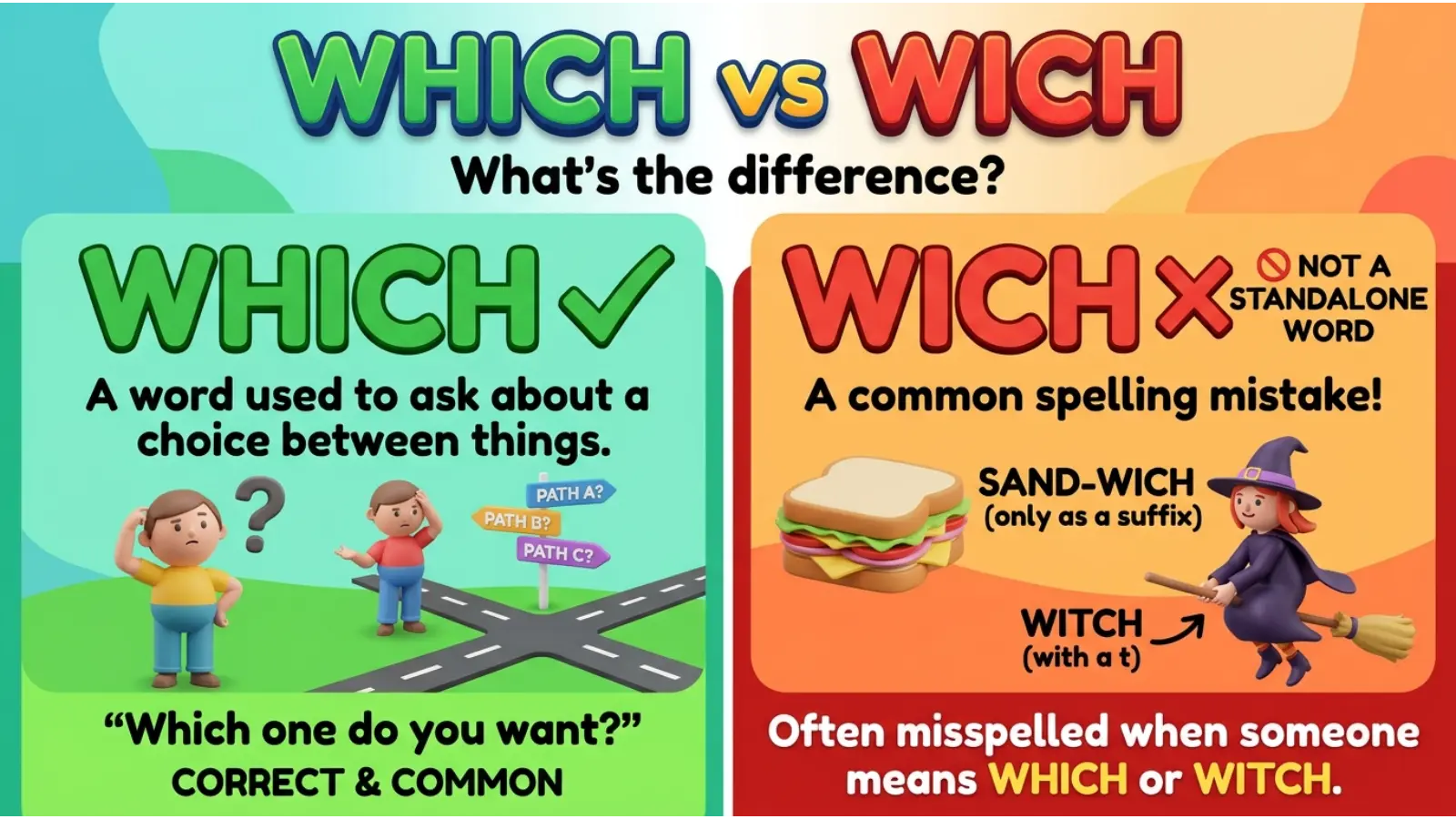
Have you ever been writing a sentence and suddenly stopped because you were not sure if it is “usage” or “useage”?
Many students, bloggers, and even professionals face this confusion while typing emails, assignments, or social media posts. You may see both words online, but only one of them is actually correct. This small spelling doubt often creates big confusion, especially for English learners.
People search this topic on Google when they are:
- Writing school homework
- Typing workplace emails
- Posting on social media
- Learning English grammar
- Checking spelling in articles or blogs
The confusion happens because English has many similar-looking words. One extra letter can change everything. That is why learners often wonder if “useage” is a British spelling or just another version of “usage.”
Understanding the correct form is important because spelling mistakes can make your writing look unprofessional or unclear. Whether you are a student, content writer, or job seeker, correct spelling always creates a better impression.
In this guide, you’ll learn the meaning, examples, usage, differences, common mistakes, and simple explanations in easy English.
USAGE OR USEAGE – QUICK ANSWER
👉 Usage = correct spelling (meaning: how something is used)
👉 Useage = incorrect spelling (not accepted in standard English)
Examples:
- Correct: The usage of mobile phones is increasing. ✅
- Incorrect: The useage of mobile phones is increasing. ❌
- Correct: Internet usage is very high today. ✅
Simple rule:
👉 Always remember: “Usage” is the right word. “Useage” is just a spelling mistake.
THE ORIGIN OF USAGE OR USEAGE
The word “usage” comes from the English verb “use.”
It became popular in Middle English and later in modern English to describe how something is used.
But the word “useage” is not a real historical word. It is simply a common spelling mistake that appears when people try to add extra letters like “-age” incorrectly.
This mistake often happens because:
- People think English words follow fixed patterns
- Learners mix it with words like “language” or “village”
- Typing quickly leads to errors
Today, dictionaries only recognize “usage.”
BRITISH ENGLISH VS AMERICAN ENGLISH USAGE
Good news: there is no difference between British and American English for this word.
Both use “usage” only.
| Feature | British English | American English | Notes |
|---|---|---|---|
| Correct spelling | usage | usage | Same worldwide |
| Incorrect form | useage (wrong) | useage (wrong) | Not accepted |
| Meaning | how something is used | how something is used | Same meaning |
WHICH ONE SHOULD YOU USE?
You should always use “usage” in all situations.
Best usage situations:
- School writing
- College assignments
- Professional emails
- Blog writing
- Social media posts
- Exams and tests
Formal vs informal:
- Formal writing → usage ✔
- Informal writing → usage ✔
- Never use “useage” ❌
Even in casual texting, correct spelling makes your English stronger.
COMMON MISTAKES WITH USAGE OR USEAGE

Mistake 1
❌ The useage of grammar is important.
✔ The usage of grammar is important.
Mistake 2
❌ Mobile phone useage is increasing.
✔ Mobile phone usage is increasing.
Mistake 3
❌ Internet useage is very high.
✔ Internet usage is very high.
Mistake 4
❌ I checked the word useage in dictionary.
✔ I checked the word usage in dictionary.
USAGE OR USEAGE IN EVERYDAY EXAMPLES
Work
- Correct: Email usage should be professional and clear.
School
- Correct: Students must improve their English usage.
Social Media
- Correct: Social media usage is growing fast.
Daily Life
- Correct: Water usage should be controlled.
Text Messages
- Correct: What is the correct usage of this word?
USAGE OR USEAGE – GOOGLE TRENDS & USAGE DATA

People search this keyword because:
- They are unsure about spelling
- They see both forms online
- They are learning English grammar
- They want correct writing for exams or SEO
Popular countries:
- India
- Pakistan
- United States
- United Kingdom
- Canada
- Australia
Trend insight:
This keyword is often searched by:
- Students
- Bloggers
- ESL learners (English as Second Language)
- Content writers
Most confusion comes from typing errors and autocorrect suggestions.
COMPARISON TABLE: USAGE OR USEAGE
| Feature | Usage | Useage |
|---|---|---|
| Correct spelling | Yes | No |
| Dictionary word | Yes | No |
| Meaning | How something is used | None |
| Common in writing | Yes | No |
| Acceptable in exams | Yes | No |
USAGE OR USEAGE IN PROFESSIONAL LIFE
In professional writing, “usage” is very important.
It is used in:
- Business reports
- Marketing analysis
- Technical writing
- Data reports
- Workplace communication
Wrong spelling like “useage” can:
- Look unprofessional
- Reduce trust in writing
- Cause grammar mistakes in reports
USAGE OR USEAGE FOR STUDENTS OR BEGINNERS
Many beginners get confused because:
- English spelling rules are not always simple
- Similar words look confusing
- Fast typing causes mistakes
Easy tips:
- Always check dictionary
- Practice reading correct sentences
- Use grammar tools carefully
- Learn common spelling patterns
SIGNS OR CHARACTERISTICS RELATED TO USAGE OR USEAGE
- “Usage” always refers to how something is used
- It is a noun form of “use”
- It appears in grammar, tech, and daily life topics
- “Useage” usually appears in mistakes or typing errors
- Autocorrect may sometimes wrongly suggest it
- It is not found in official dictionaries
SIMPLE TRICK TO REMEMBER USAGE OR USEAGE
👉 Use = base word
👉 Usage = correct noun form
Think of it this way:
If you can say “use,” then the correct noun is always “usage.”
Easy memory line:
👉 “No extra ‘e’ in usage—just simple use + age.”
FAQS:
1. What is correct: usage or useage?
Usage is correct. Useage is wrong.
2. Is useage a real English word?
No, it is not accepted in English dictionaries.
3. Why do people write useage?
It is a common spelling mistake.
4. What does usage mean?
It means how something is used.
5. Is usage formal or informal?
It is used in both formal and informal writing.
6. Can I use useage in exams?
No, it will be marked wrong.
7. How can I remember usage spelling?
Remember: “use + age = usage (no extra e).”
CONCLUSION
The difference between usage and useage is simple. Only “usage” is correct, while “useage” is just a spelling mistake.
This word is used in everyday English, school, work, and online writing. Learning the correct spelling helps you write more clearly and professionally.
Final memory rule:
👉 Always choose usage, never “useage.”

Sara Taylor is a passionate English content writer who specializes in word meanings, spelling comparisons, and modern slang explanations. She creates easy-to-understand articles that help readers avoid common English mistakes and improve their writing skills. Her content focuses on simple learning, real-life examples, and clear explanations for everyday readers.