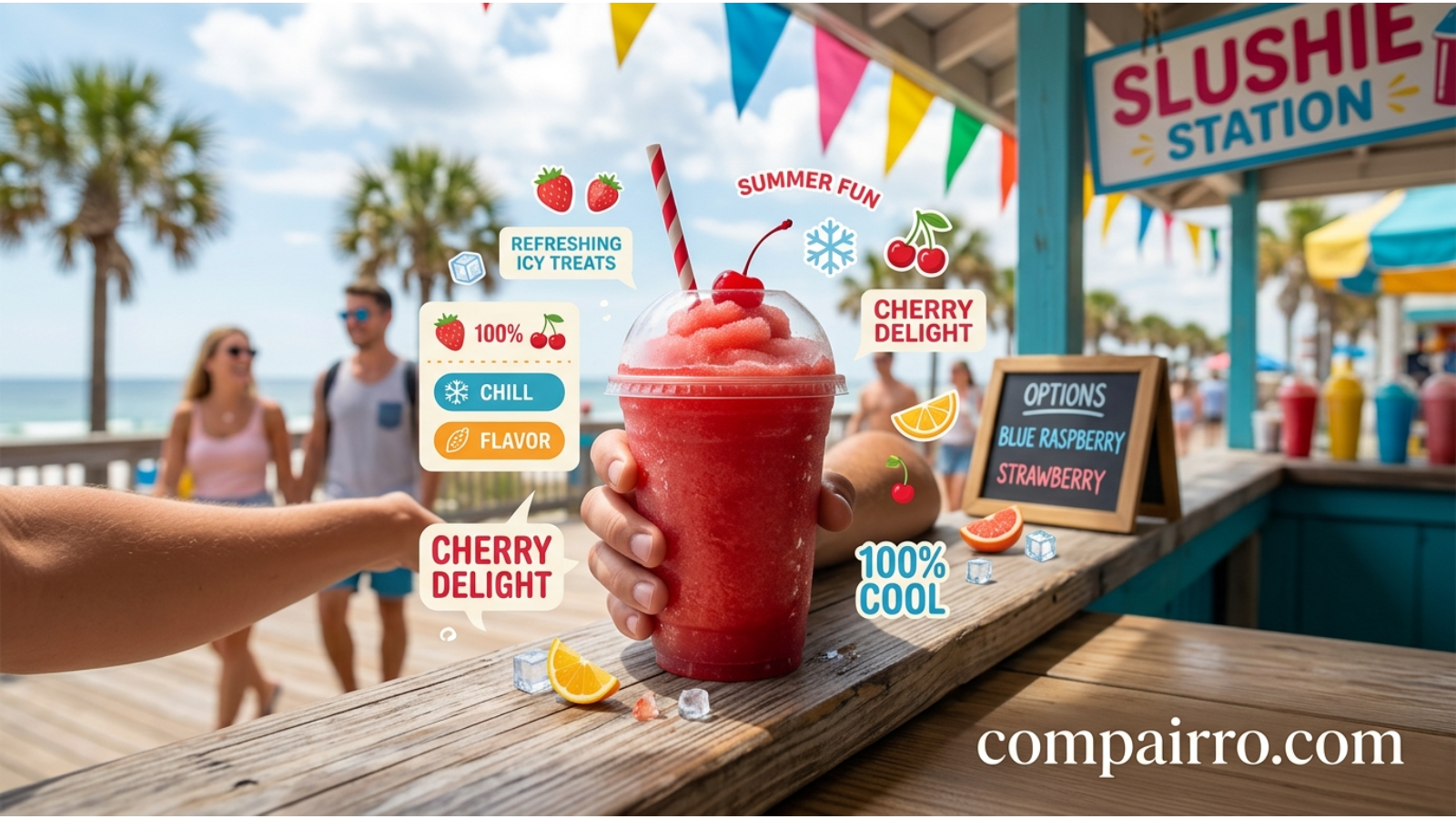
Imagine you are at a convenience store on a hot summer day. You walk to the frozen drink machine and suddenly wonder: should you ask for a slushie or a slushy?
Many people get confused because both words are commonly used in conversations, social media posts, advertisements, and everyday speech. Some stores sell drinks called “Slushies,” while others advertise “Slushies and Slush Drinks.” This can make it hard to know which term is correct.
The confusion is even more common among English learners, students, and people searching online for the right spelling or usage. You may hear these words at school, in restaurants, at work, on social media, or while chatting with friends.
Understanding the difference matters because using the correct word can make your communication clearer. It can also help when writing, ordering drinks, creating content, or learning English vocabulary.
In this guide, you’ll learn the meaning, examples, usage, differences, common mistakes, and simple explanations in easy English.
Slushie or Slushy – Quick Answer
👉 Both “slushie” and “slushy” are correct, but they are used differently.
- Slushie = a frozen flavored drink made from crushed ice.
- Slushy = an adjective that describes something partly melted, icy, or similar to slush.
Examples
1 I bought a strawberry slushie after school.
2 The road became slushy after the snow started melting.
3 My favorite summer drink is a blue raspberry slushie.
Simple Rule
👉 Slushie = drink
👉 Slushy = describes something icy or wet
The Origin of Slushie or Slushy
The word slush originally referred to wet snow or partially melted ice. It has been used in English for many years.
The adjective slushy developed from the word slush and means something that looks or feels like slush.
The word slushie became popular in North America as a name for frozen flavored drinks. Many convenience stores and drink brands used the term in advertising.
Today, both words are widely recognized and used around the world.
British English vs American English Usage
The meanings of slushie and slushy are generally the same in British and American English.
| Feature | British English | American English | Notes |
|---|---|---|---|
| Slushie | Common | Very common | Refers to frozen drink |
| Slushy | Common | Common | Describes wet icy texture |
| Meaning | Same | Same | No major difference |
| Everyday Usage | Used often | Used often | Understood worldwide |
Which One Should You Use?
Use slushie when talking about the drink.
Use slushy when describing a texture or condition.
Best Situations
- Slushie
- Ordering a frozen drink
- Restaurant menus
- Social media food posts
- Casual conversations
- Slushy
- Describing roads after snow
- Talking about ice conditions
- Weather reports
- Everyday descriptions
Formal vs Informal
- Slushie is mostly informal and casual.
- Slushy can be used in both casual and formal writing.
Common Mistakes With Slushie or Slushy
Mistake 1
❌ The road was very slushie.
✔ Use slushy because you are describing the road’s condition.
Mistake 2
❌ I ordered a cherry slushy.
✔ While some people say this, slushie is more common when referring to the drink itself.
Mistake 3
❌ The snow became slushie after rain.
✔ The snow became slushy after rain.
Mistake 4
❌ I spilled my slushy all over the table.
✔ If talking about the drink, slushie is usually the preferred term.
Slushie or Slushy in Everyday Examples
Work
“My coworkers and I bought slushies during our lunch break.”
School
“Students enjoyed slushies after the sports event.”
Social Media
“Just got a giant blue raspberry slushie! 🍧”
Daily Life
“The driveway became slushy after the snow melted.”
Text Messages
“Want to grab a slushie after class?”
“It’s really slushy outside today.”
Slushie or Slushy – Google Trends & Usage Data

Many people search for slushie or slushy because they are unsure which word is correct.
Common reasons for searches include:
- English learning
- Vocabulary improvement
- Menu writing
- Social media captions
- School assignments
Popular Countries
The terms are commonly searched in:
- United States
- United Kingdom
- Canada
- Australia
- India
- Pakistan
Search Trends
Search interest often increases during:
- Summer months
- Hot weather seasons
- Winter weather discussions
- English grammar searches
Social Media Popularity
Food bloggers and influencers often use slushie when posting frozen drinks.
Weather pages and news reports frequently use slushy when discussing snow and roads.
Comparison Table: Slushie or Slushy
| Feature | Slushie | Slushy |
|---|---|---|
| Part of Speech | Noun | Adjective |
| Main Meaning | Frozen drink | Icy or wet texture |
| Used for Drinks | Yes | Sometimes informally |
| Used for Weather | No | Yes |
| Common in Advertising | Yes | Rarely |
| Example | I bought a slushie. | The road is slushy. |
Slushie or Slushy in Professional Life
Although these words are mostly used in casual situations, they can appear in professional settings.
Food Industry
Restaurants, cafes, and convenience stores often advertise:
- Fruit slushies
- Frozen slushie drinks
- Seasonal slushie flavors
Weather Industry
Meteorologists and news reporters often use:
- Slushy roads
- Slushy snow
- Slushy conditions
Using the correct word helps avoid confusion in professional communication.
Slushie or Slushy for Students or Beginners
Many beginners struggle because the words look very similar.
Common Confusion
People often think both words mean exactly the same thing.
However:
- Slushie = thing (drink)
- Slushy = description (texture)
Easy Learning Tips
- Remember that slushie is usually something you can buy and drink.
- Remember that slushy usually describes how something looks or feels.
- Read examples regularly.
- Practice using both words in sentences.
Signs or Characteristics Related to Slushie or Slushy
Characteristics of a Slushie
- Made from crushed ice
- Usually flavored
- Served cold
- Popular in summer
- Available in many colors and flavors
Characteristics of Something Slushy
- Wet and icy
- Partly melted
- Soft texture
- Common after snowfall
- Can make walking difficult
Common Uses
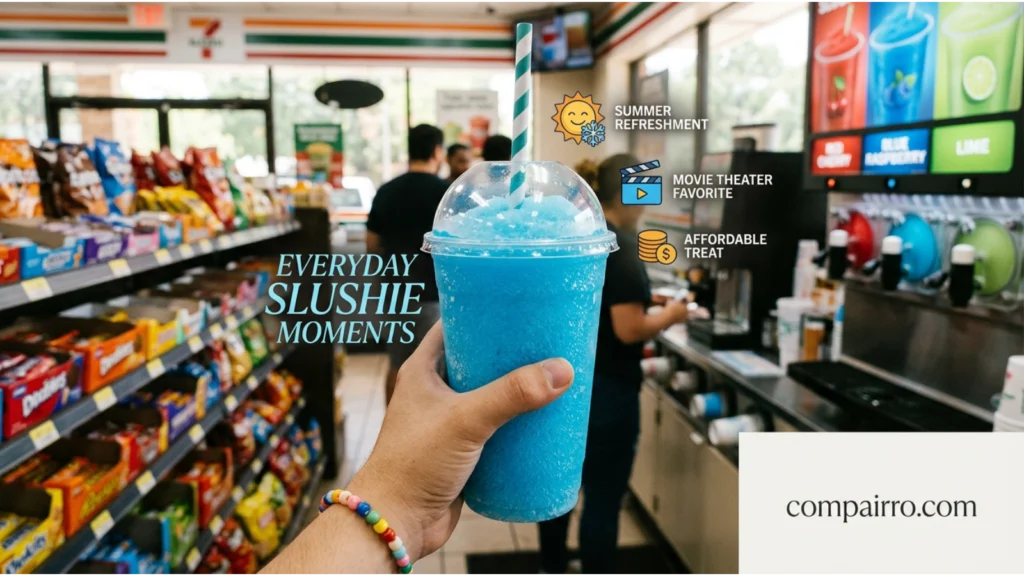
- Convenience stores
- Fast-food restaurants
- Movie theaters
- Winter weather discussions
- Social media posts
Simple Trick to Remember Slushie or Slushy
👉 Slushie = Sip It
👉 Slushy = Snowy Texture
Think of it this way:
- If you can drink it, it’s probably a slushie.
- If you can walk on it, it’s probably slushy.
Examples:
🍧 “I drank a slushie.”
❄️ “The sidewalk was slushy.”
This simple trick helps many beginners remember the difference quickly.
FAQs:
1. Is slushie a real English word?
Yes. Slushie is a widely accepted word used for frozen flavored drinks.
2. What does slushy mean?
Slushy describes something wet, icy, or partly melted like snow.
3. Can slushy be used for a drink?
Some people use it that way, but slushie is usually preferred.
4. Which word is more common in stores?
Slushie is more common for drink names and advertisements.
5. Is there a British spelling difference?
No. Both words are generally spelled the same worldwide.
6. Why do people confuse slushie and slushy?
Because the words look similar and are related to ice.
7. Which word should English learners use?
Use slushie for the drink and slushy for the texture or condition.
Conclusion
The difference between slushie or slushy is simple once you know how each word is used. A slushie is a frozen flavored drink, while slushy describes something wet, icy, or partly melted.
Understanding this difference can help you speak and write English more accurately. Whether you are ordering a drink, writing a social media post, or talking about winter weather, choosing the right word makes your meaning clear.
Final memory rule:
👉 Slushie = Drink
👉 Slushy = Description
Once you remember that simple rule, you will rarely mix them up again.

Sara Taylor is a passionate English content writer who specializes in word meanings, spelling comparisons, and modern slang explanations. She creates easy-to-understand articles that help readers avoid common English mistakes and improve their writing skills. Her content focuses on simple learning, real-life examples, and clear explanations for everyday readers.