IDM meaning in text is usually “I Don’t Mind.” People use this short abbreviation in chats, text messages, social media, and online conversations to show that they are okay with something or that they have no strong preference.
If someone texts you, “IDM if we go later,” they are saying, “I don’t mind if we go later.” In other words, the person is flexible and does not have a problem with the suggestion.
Texting abbreviations like IDM are popular because they make conversations quicker and more casual. However, the exact meaning can sometimes depend on the context. This is especially important because IDM can have other meanings outside texting, such as Internet Download Manager.
Quick Answer:
In texting, IDM usually means “I Don’t Mind.” It shows that someone is okay with a choice, suggestion, situation, or decision.
What Does IDM Mean in Text?
The most common IDM meaning in text is “I Don’t Mind.”
It is used when someone wants to say that they are comfortable with something or do not have a particular preference.
IDM Full Form
IDM = I Don’t Mind
For example:
“Do you want pizza or burgers?”
“IDM.”
This means the person is fine with either option.
Another example:
“IDM waiting for you.”
Here, IDM means the speaker does not have a problem waiting.
What Does IDM Stand For?
When used in casual online conversations, IDM stands for “I Don’t Mind.” It is generally a neutral expression rather than an offensive or rude term.
The meaning can change when IDM appears in a technical or business context, so always look at the surrounding conversation.
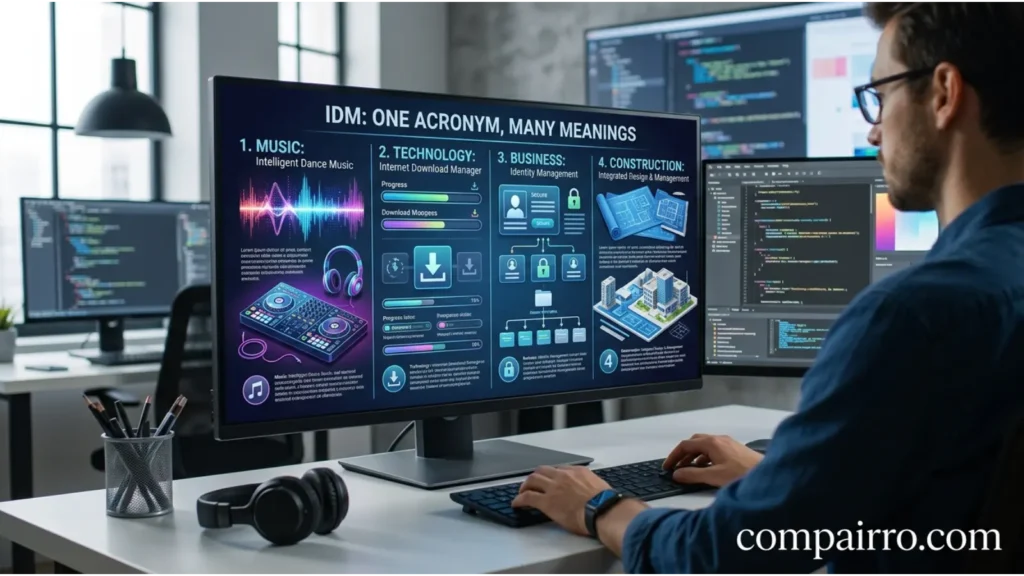
IDM Meaning in Different Contexts
IDM can express slightly different ideas depending on the situation.
1. Showing You Are Okay With Something
This is one of the most common uses.
“IDM if you sit here.”
The speaker means they are okay with you sitting there.
2. Showing No Preference
IDM can mean that either choice is acceptable.
“Tea or coffee?”
“IDM.”
The person is saying that they do not particularly care which one they get.
3. Agreeing to a Suggestion
Someone may use IDM when they accept another person’s suggestion.
“IDM going after dinner.”
This means they are okay with going after dinner.
4. Being Flexible
IDM can also show flexibility about plans.
“We can meet at 5 or 6.”
“IDM.”
The person is saying that either time works for them.
Is IDM Rude, Offensive, or Neutral?
IDM is generally neutral and not offensive.
It is commonly used between friends, classmates, family members, and people having informal online conversations.
However, tone can depend on the situation. A very short reply such as “IDM” may sometimes sound uninterested or brief, especially when the other person expects a detailed answer.
For example:
“Where should we eat?”
“IDM.”
This could simply mean “I don’t mind,” but the other person might also interpret it as a lack of enthusiasm.
For professional emails or formal communication, writing “I don’t mind” or “Either option works for me” is usually clearer.
Where Is IDM Commonly Used?
You may see IDM in:
- Text messages
- WhatsApp chats
- Instagram DMs
- Snapchat
- Discord
- Online gaming chats
- Social media comments
- Casual conversations
- Group chats
It is more common in informal communication than in formal writing.
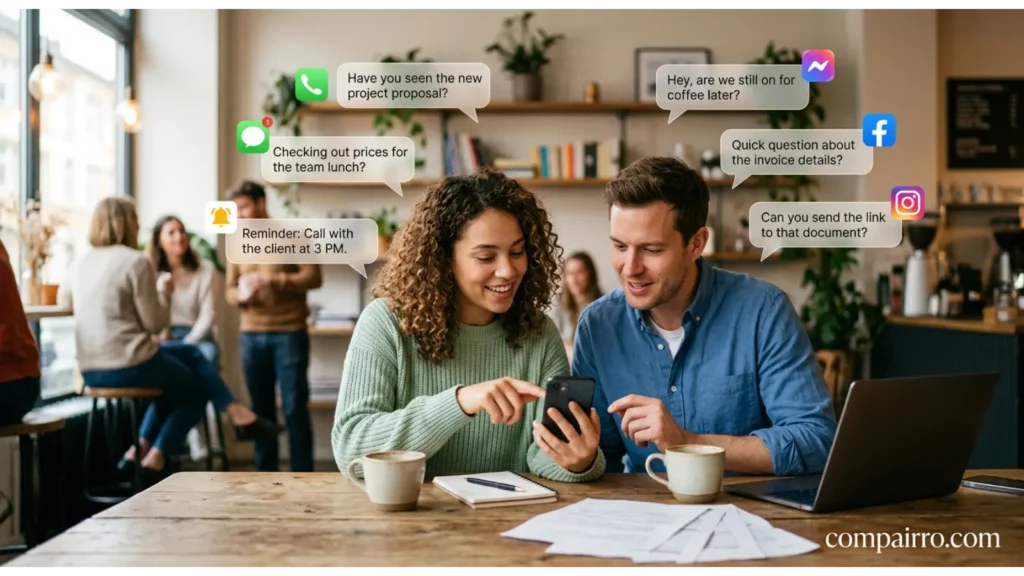
Real-Life IDM Conversation Examples
Here are some natural examples of how people use IDM.
Friendly Example
Friend: “Can I call you tonight?”
You: “Sure, IDM.”
Here, IDM means you do not have a problem with the call.
Casual Example
Friend: “Do you want to watch a movie or play a game?”
You: “IDM, you choose.”
This means either option is fine.
Planning Example
Person 1: “Should we meet at 4?”
Person 2: “IDM. 4 works for me.”
The person accepts the suggested time.
Argumentative Context
Person 1: “You can leave if you want.”
Person 2: “IDM.”
Here, the meaning still relates to “I Don’t Mind,” but the tone could sound colder depending on the conversation.
Emotional and Psychological Meaning of IDM
IDM does not have a special psychological meaning by itself. It simply communicates a person’s attitude toward a situation.
Depending on context, it may suggest:
- Flexibility
- Indifference
- Acceptance
- Lack of preference
- Willingness to compromise
For example, saying “IDM” when choosing a restaurant may show flexibility. In another conversation, it could sound like the person is not particularly interested in the decision.
Therefore, tone, punctuation, and the rest of the conversation matter.
Origin and Background of IDM
IDM developed as part of the broader culture of internet and text-message abbreviations. People began shortening common phrases to make digital conversations faster and easier.
Similar abbreviations include:
- IDK = I Don’t Know
- IDC = I Don’t Care
- IMO = In My Opinion
- TBH = To Be Honest
- BTW = By The Way
- NVM = Never Mind
IDM follows the same basic pattern: the first letters of the words are used to create a short form.
There is no single moment when IDM became an official texting term. Its use grew naturally alongside online messaging and informal digital communication.
IDM vs Similar Slang Terms
is short for and other abbreviations can look similar but have different meanings.
| Slang | Full Form | Meaning |
|---|---|---|
| IDM | I Don’t Mind | I am okay with it |
| IDC | I Don’t Care | I have little or no concern |
| IDK | I Don’t Know | I am unsure |
| NVM | Never Mind | Forget what I said |
| IMO | In My Opinion | Sharing an opinion |
| TBH | To Be Honest | Introducing an honest statement |
IDM vs IDC
This is one of the most important differences.
IDM usually means:
“Either option is okay with me.”
IDC usually means:
“I don’t care about this.”
For example:
“IDM where we eat.”
= Any restaurant is fine.
“IDC where we eat.”
= I don’t care where we eat.
The second expression can sometimes sound more dismissive.
When Should You Use IDM?
IDM is suitable when you are having a casual conversation and want to communicate that you are comfortable with a suggestion.
You can use it when:
- Someone asks for your preference.
- You are okay with someone’s suggestion.
- You do not mind changing plans.
- You want to show flexibility.
- Either choice works for you.
For example:
“IDM if we start at 8.”
Or:
“IDM, you can choose.”

When Should You Avoid Using IDM?
Although IDM is common in casual texting, it may not be appropriate everywhere.
Avoid relying on the abbreviation in:
- Formal emails
- Job applications
- School assignments
- Official documents
- Business proposals
- Professional communication with unfamiliar people
Instead, write the complete phrase or use a clearer alternative.
Polite Alternatives to IDM
You can say:
- “I don’t mind.”
- “Either option works for me.”
- “I’m okay with that.”
- “That works for me.”
- “I’m fine with either.”
- “Whatever works for you is fine with me.”
These alternatives make your meaning clearer, especially in formal or professional situations.
Why Do People Use IDM?
People use IDM mainly because texting encourages short and fast communication.
Some common reasons include:
Convenience
Typing three words as three letters can save time.
Casual Tone
IDM feels natural in friendly online conversations.
Quick Responses
It lets someone answer a question without writing a complete sentence.
Digital Communication Style
Many people are familiar with abbreviations such as IDK, LOL, BTW, and IMO, making IDM easy to understand.
Impact of Using IDM in Communication
IDM is usually harmless, but short messages can sometimes create confusion.
For example:
“IDM.”
Depending on the situation, the receiver may understand it as:
- “Either option is fine.”
- “I have no preference.”
- “I don’t really care.”
- “You decide.”
If you want to sound warmer, add a few words:
“IDM, whatever works for you!”
This makes the intended tone clearer.
Is IDM Safe for Social Media?
Yes. IDM is generally safe and non-offensive for social media.
It is simply an abbreviation for “I Don’t Mind” when used in texting.
However, remember that IDM can have other meanings in different contexts. For example, in technology, IDM commonly refers to Internet Download Manager, a download-management application.
So, if someone posts:
“I installed IDM on my PC.”
they are probably talking about software, not the texting abbreviation.
More IDM Examples in Different Situations
Friendly
“Want to come with us?”
“Yeah, IDM.”
Casual
“Should we order food now?”
“IDM.”
Making Plans
“Can we meet tomorrow instead?”
“IDM. Tomorrow is fine.”
Choosing Between Options
“Red or blue?”
“IDM, choose whichever you like.”
Group Chat
“Are you okay if we start at 7?”
“IDM 👍”
Responding to a Change
“Is it okay if I change the plan?”
“IDM, that’s fine.”
Common Misunderstandings About IDM
One common mistake is confusing IDM with IDC.
They are not exactly the same.
IDM generally communicates acceptance or lack of preference, while IDC can communicate that something does not matter to the speaker.
Another misunderstanding occurs when someone sees IDM outside a texting context. In technology-related conversations, IDM may refer to Internet Download Manager.
Always consider the topic and surrounding words before deciding what IDM means.
Variations and Types of IDM Usage
There are several informal ways people may use IDM.
IDM
“IDM.”
A short, direct response.
IDM if…
“IDM if you come later.”
Shows acceptance of a particular situation.
IDM either way
“IDM either way.”
Means both choices are acceptable.
I don’t mind
This is the full form and is better when clarity or formality matters.
How to Respond When Someone Uses IDM
Your response depends on what the person is saying.
If they say:
“IDM, you choose.”
You can respond:
“Okay, let’s go with pizza.”
If they say:
“IDM if we meet tomorrow.”
You could say:
“Perfect, tomorrow works.”
If you are unsure what they mean, simply ask:
“Do you mean you’re okay with either option?”
This avoids unnecessary confusion.
Regional and Cultural Usage
IDM is mainly associated with English-language internet communication. It can appear in conversations among people from different countries because many online abbreviations spread through social media, messaging platforms, gaming, and international internet culture.
However, not everyone uses or recognizes the abbreviation. Younger internet users may be more familiar with it, while some people may prefer writing the complete phrase.
The meaning also depends on the language of the conversation. In multilingual chats, context becomes especially important.
IDM Meaning in Text: Quick Comparison
| Situation | Meaning of IDM |
|---|---|
| “IDM if you come later.” | I don’t mind if you come later. |
| “Tea or coffee? — IDM.” | Either is fine. |
| “IDM, you choose.” | You can decide. |
| “IDM waiting.” | I don’t mind waiting. |
| “IDM if we change the plan.” | I’m okay with changing it. |
FAQs:
What does IDM mean in text?
IDM usually means “I Don’t Mind.” It is used to show that someone is okay with something or has no particular preference.
What is the IDM full form?
The common texting full form of IDM is “I Don’t Mind.”
Is IDM slang?
Yes. IDM is an informal internet and texting abbreviation. It is mainly used in casual digital conversations.
Is IDM rude?
Generally, no. IDM is neutral. However, a very short “IDM” reply can sometimes sound uninterested depending on the context and tone.
What is the difference between IDM and IDC?
IDM means “I Don’t Mind,” usually showing that either choice is acceptable. IDC means “I Don’t Care,” which can sound more dismissive depending on the situation.
Can IDM mean something else?
Yes. In technology, IDM commonly refers to Internet Download Manager. The surrounding context determines which meaning is intended.
Conclusion
The most common IDM meaning in text is “I Don’t Mind.” It is a casual abbreviation used when someone is okay with something, has no strong preference, or wants another person to make the choice.
For example, “Tea or coffee? IDM” means the person is fine with either option.
IDM is generally neutral and safe for casual conversations, including texting, group chats, and social media. However, it is better to write “I don’t mind” in formal or professional communication.
Most importantly, always consider the context. In everyday texting, IDM usually means “I Don’t Mind,” while in technology-related discussions, it can refer to Internet Download Manager. Understanding the surrounding conversation will help you choose the correct meaning.

Sara Taylor is a passionate English content writer who specializes in word meanings, spelling comparisons, and modern slang explanations. She creates easy-to-understand articles that help readers avoid common English mistakes and improve their writing skills. Her content focuses on simple learning, real-life examples, and clear explanations for everyday readers.