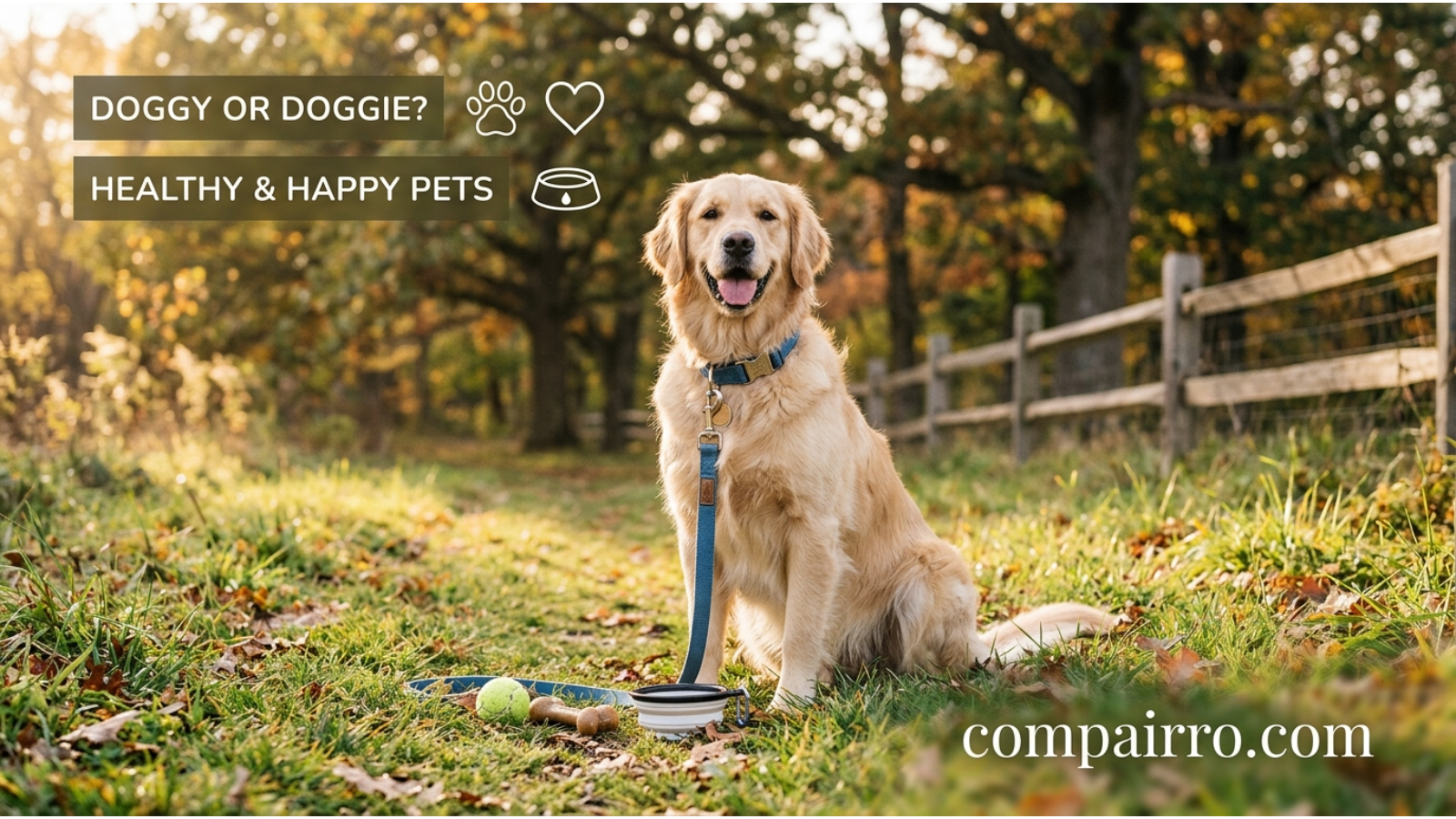
Doggy or doggie is a common spelling question that many English learners ask. You may have seen both words in books, social media posts, pet stores, text messages, or everyday conversations. Because both spellings look very similar, people often wonder if one is correct and the other is wrong.
Imagine you are writing a message about your pet. Should you write “cute doggy” or “cute doggie”? Many people are unsure. This confusion is common among students, writers, pet owners, and anyone learning English.
The words are often used when talking to children, describing pets, or speaking in a friendly and affectionate way. They appear in schools, homes, online discussions, advertisements, and even pet-related businesses.
Understanding the difference matters because choosing the right spelling can make your writing look more natural for your audience. It can also help you understand how English spelling varies across regions and personal preferences.
In this guide, you’ll learn the meaning, examples, usage, differences, common mistakes, and simple explanations in easy English.
Doggy or Doggie – Quick Answer
👉 Doggy and doggie both mean a small dog or a dog spoken about in a cute and friendly way.
Both spellings are correct in English.
- Doggy is slightly more common.
- Doggie is also widely accepted and used.
Examples
1 Look at that cute doggy!
2 My little doggie loves to play fetch.
3 The child asked if he could pet the doggy.
Simple Rule
👉 If you are unsure, use doggy because it is generally more common, but doggie is also correct.
The Origin of Doggy or Doggie
The words doggy and doggie come from the word dog.
English speakers often add endings like -y or -ie to make words sound friendlier, smaller, or more affectionate. Similar examples include:
- kitty
- birdie
- mommy
- daddy
Over time, both doggy and doggie became popular ways to refer to dogs, especially when talking to children.
Today, both spellings are commonly used in books, advertisements, social media posts, and everyday conversations.
British English vs American English Usage
There is no major difference between British English and American English when using doggy or doggie.
Both countries recognize and use both spellings.
| Feature | British English | American English | Notes |
|---|---|---|---|
| Doggy | Common | Common | Slightly more popular overall |
| Doggie | Common | Common | Accepted spelling |
| Meaning | Same | Same | Refers to a dog affectionately |
| Formal Writing | Rare | Rare | Usually informal |
Which One Should You Use?
The best choice depends on your audience and style.
Use Doggy When:
- Writing casual content
- Talking to children
- Creating pet-related content
- You want the most common spelling
Use Doggie When:
- You personally prefer the spelling
- Matching a brand name
- Following a publication’s style guide
Formal Situations
In formal writing, it is usually better to use:
- Dog
- Puppy (if appropriate)
Instead of:
- Doggy
- Doggie
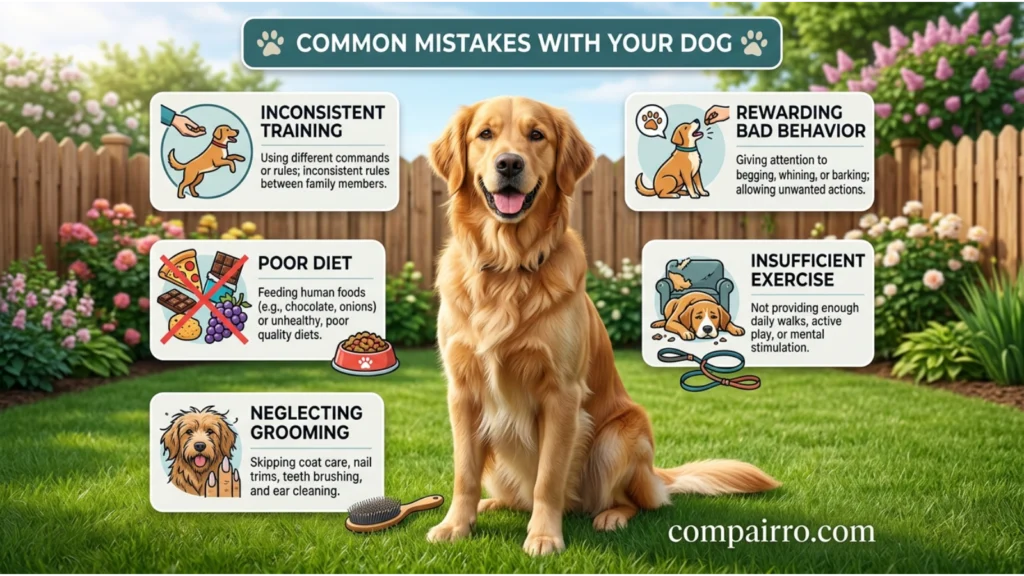
Common Mistakes With Doggy or Doggie
Mistake 1
❌ Doggy is correct and doggie is wrong.
✔ Both spellings are correct and widely accepted.
Mistake 2
❌ Use doggy or doggie in formal business reports.
✔ Use “dog” in formal or professional writing.
Mistake 3
❌ Doggie always means a puppy.
✔ Doggie can refer to dogs of any age.
Mistake 4
❌ British English only uses doggy.
✔ Both spellings are used in British English.
Mistake 5
❌ American English only uses doggie.
✔ Americans use both spellings.
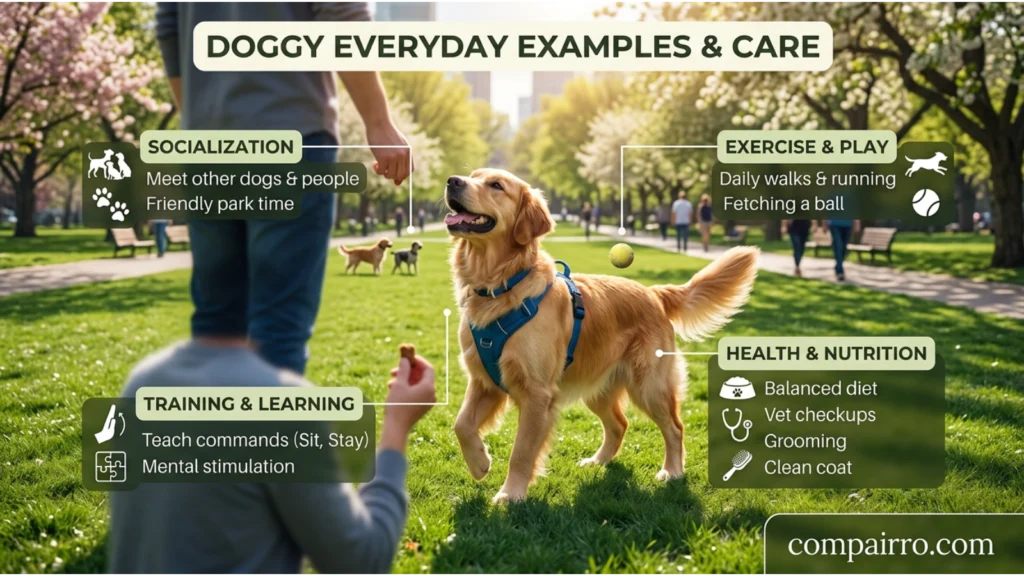
Doggy or Doggie in Everyday Examples
Work
- The office calendar featured a photo of an employee’s doggy.
- A pet company launched a new doggie product line.
School
- Students wrote stories about a friendly doggy.
- The teacher read a book about a lost doggie.
Social Media
- Meet my new doggy! 🐶
- My doggie learned a new trick today.
Daily Life
- The doggy loves going for walks.
- Our neighbor has a playful doggie.
Text Messages
- Your doggy is so cute!
- How is your doggie doing today?
Doggy or Doggie – Google Trends & Usage Data
Many people search for doggy or doggie because they want to know which spelling is correct.
Search interest often comes from:
- English learners
- Students
- Pet owners
- Writers
- Bloggers
The keyword is commonly searched in:
- United States
- United Kingdom
- India
- Pakistan
- Canada
- Australia
Online, both spellings appear frequently in:
- Pet blogs
- Social media captions
- Children’s books
- Pet store websites
- Text messages
Most searches happen because people see both versions and want to know if there is a difference.
Comparison Table: Doggy or Doggie
| Feature | Doggy | Doggie |
|---|---|---|
| Meaning | Friendly word for a dog | Friendly word for a dog |
| Correct Spelling | Yes | Yes |
| Popularity | Slightly higher | Slightly lower |
| Formal Usage | Rare | Rare |
| Used with Children | Yes | Yes |
| Used on Social Media | Yes | Yes |
| Refers to Puppies Only | No | No |
Doggy or Doggie in Professional Life
Although these words are informal, they still appear in some professional settings.
Examples include:
- Pet care businesses
- Veterinary clinics
- Pet grooming services
- Pet product brands
- Animal shelters
For example:
- Doggy Day Care
- Doggie Treat Store
In professional documents, however, writers usually use the standard word dog.
Doggy or Doggie for Students or Beginners
Many beginners struggle with this spelling choice because both versions are correct.
Common Confusion
- Which spelling is correct?
- Is one American and one British?
- Does one mean a puppy?
Easy Learning Tips
- Remember that both spellings are accepted.
- Use doggy if you are unsure.
- Read examples from trusted websites.
- Notice how pet brands use the words.
With practice, choosing between doggy and doggie becomes easy.
Signs or Characteristics Related to Doggy or Doggie
Main Characteristics
- Informal language
- Friendly tone
- Common in conversations
- Often used with children
Common Uses
- Talking about pets
- Social media captions
- Children’s stories
- Pet advertising
Language Pattern
- Created from the word “dog”
- Uses affectionate endings
- Sounds warm and playful
Emotional Effect
- Friendly
- Cute
- Loving
- Casual
Simple Trick to Remember Doggy or Doggie
👉 Doggy = Common spelling
👉 Doggie = Alternative spelling
Think of it this way:
If you see a happy pet photo online, both of these are correct:
✅ Cute doggy
✅ Cute doggie
The meaning stays the same.
So remember:
👉 Different spelling, same friendly meaning.
FAQs:
1. Is doggy or doggie correct?
Both spellings are correct in English.
2. Which spelling is more common?
Doggy is slightly more common in general writing.
3. Does doggie mean a puppy?
No. It can refer to any dog, not just a puppy.
4. Is doggy informal?
Yes. It is mostly used in casual situations.
5. Do Americans use doggie?
Yes. Americans use both doggy and doggie.
6. Do British people use doggy?
Yes. Both spellings are common in the UK.
7. Should I use doggy in formal writing?
Usually no. Use the standard word “dog” in formal writing.
Conclusion
The question of doggy or doggie is simpler than many people think. Both spellings are correct and have the same meaning. They are friendly, affectionate ways to talk about a dog.
While doggy is slightly more common, doggie is also widely accepted in everyday English. The choice usually comes down to personal preference, style, or audience.
A simple rule to remember is:
👉 Doggy and doggie mean the same thing—different spelling, same cute dog.
Now when you see either spelling, you’ll know that both are correct and natural to use.

Sara Taylor is a passionate English content writer who specializes in word meanings, spelling comparisons, and modern slang explanations. She creates easy-to-understand articles that help readers avoid common English mistakes and improve their writing skills. Her content focuses on simple learning, real-life examples, and clear explanations for everyday readers.