Vapour or vapor is a common spelling question that many English learners and writers face. You may have seen vapour in a British book and vapor on an American website. This often makes people wonder if the words have different meanings or if one spelling is wrong.
The confusion appears in many places. Students see these words in science classes. Writers use them in articles and reports. People also come across them in online searches, social media posts, news articles, and everyday conversations.
The good news is that both spellings refer to the same thing. The difference is mainly based on the type of English being used. Understanding this difference can help you write more clearly and choose the right spelling for your audience.
Whether you are writing for school, work, a blog, or social media, knowing when to use vapour or vapor can make your writing look more professional and accurate.
In this guide, you’ll learn the meaning, examples, usage, differences, common mistakes, and simple explanations in easy English.
Vapour or Vapor – Quick Answer
👉 Vapour and vapor have the same meaning. They both describe a substance in its gas form, usually produced from a liquid or solid.
- Vapour = British English spelling
- Vapor = American English spelling
Examples
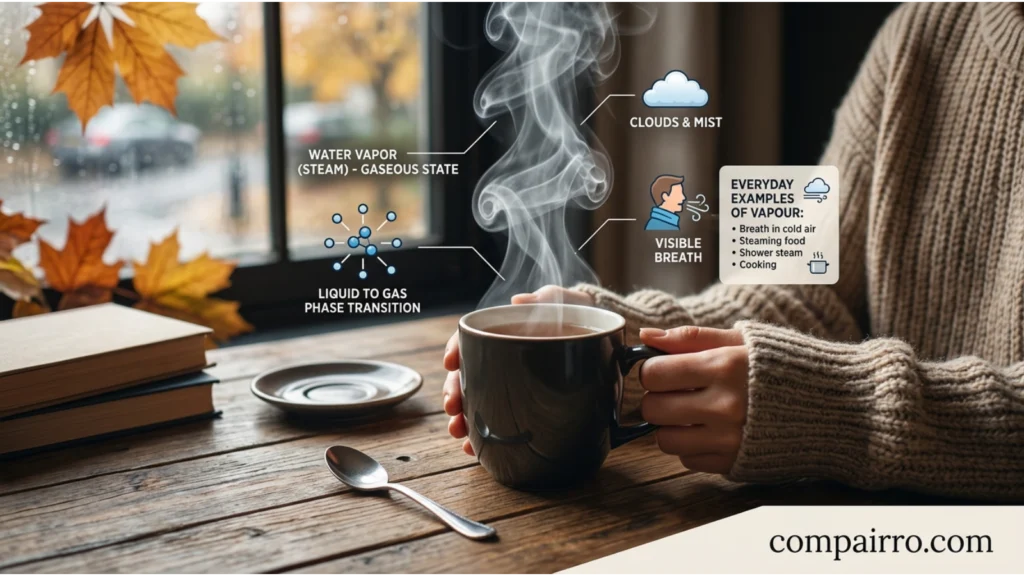
✅ Water vapour rises from a hot cup of tea.
✅ Water vapor can be seen above boiling water.
✅ Scientists study water vapour in the atmosphere.
Simple Rule
👉 UK = Vapour
👉 US = Vapor
Remember: The meaning stays the same. Only the spelling changes.
The Origin of Vapour or Vapor
The word comes from the Latin word vapor, which means steam, mist, or gas.
Over time, English developed different spelling styles. British English kept the spelling vapour, similar to other words ending in -our, such as:
- colour
- favour
- honour
American English simplified many spellings and changed vapour to vapor. This follows the same pattern as:
- color
- favor
- honor
Today, both spellings are widely accepted depending on the country and writing style.
British English vs American English Usage
The main difference is spelling.
| Feature | British English | American English | Notes |
|---|---|---|---|
| Standard spelling | Vapour | Vapor | Same meaning |
| School textbooks | Vapour | Vapor | Depends on country |
| Scientific writing | Vapour | Vapor | Follows regional style |
| Newspapers | Vapour | Vapor | Regional preference |
| Pronunciation | Similar | Similar | Nearly identical |
The meaning remains exactly the same worldwide.
Which One Should You Use?
The best spelling depends on your audience.
Use vapour when:
- Writing for UK readers
- Following British English rules
- Creating content for British schools or businesses
- Using British spelling throughout your document
Use vapor when:
- Writing for US readers
- Following American English rules
- Creating content for American websites
- Using American spelling throughout your writing
Important Tip
- Do not mix both spellings in the same article.
- Stay consistent from beginning to end.
Common Mistakes With Vapour or Vapor
Mistake 1
❌ Vapour is different from vapor.
✔ Both words have the same meaning. The difference is only spelling.
Mistake 2
❌ Using vapour and vapor in the same article.
✔ Choose one spelling style and use it consistently.
Mistake 3
❌ Thinking one spelling is wrong.
✔ Both spellings are correct in their respective English versions.
Mistake 4
❌ Using British spelling in an American academic paper.
✔ Follow the style guide required by your school or organization.
Mistake 5
❌ Assuming pronunciation changes.
✔ The pronunciation is nearly the same in both forms.
Vapour or Vapor in Everyday Examples
Work
A scientist writes a report about water vapor in the atmosphere for an American company.
A researcher in London writes about water vapour in a climate study.
School
Students learn how water vapour forms during the water cycle.
American students may read the same lesson using the word vapor.
Social Media
“Look at the vapor coming from my coffee!”
“Cold mornings create visible water vapour.”
Daily Life
Steam from hot soup contains water vapor.
Fog and mist are often discussed alongside water vapour.
Text Messages
“Can you see the vapor above the kettle?”
“The vapour from the tea looks cool today.”
Vapour or Vapor – Google Trends & Usage Data

Many people search for vapour or vapor because they want to know which spelling is correct.
Common search questions include:
- Is vapour correct?
- Is vapor American spelling?
- Vapour vs vapor difference
- Which spelling should I use?
Popular Countries
The topic is commonly searched in:
- United States
- United Kingdom
- Canada
- Australia
- India
- Pakistan
Search Trends
Interest often increases when students study:
- Science
- Chemistry
- Weather
- English grammar
People also search the term when writing articles, reports, and academic papers.
Why Beginners Get Confused
The words look different but mean the same thing. Many learners assume different spellings must have different definitions.
Comparison Table: Vapour or Vapor
| Feature | Vapour | Vapor |
|---|---|---|
| Meaning | Gas form of a substance | Gas form of a substance |
| English Type | British English | American English |
| Correct Usage | UK and many Commonwealth countries | United States |
| Pronunciation | Same | Same |
| Scientific Meaning | Same | Same |
| Formal Writing | Correct in British style | Correct in American style |
Vapour or Vapor in Professional Life
Professionals often need to follow a specific writing style.
Science
Scientists use the spelling required by their country or publication.
Education
Teachers follow local spelling standards in textbooks and exams.
Business
Companies usually choose British or American English for branding and keep it consistent.
Publishing
Editors check spelling carefully to match the target audience.
Consistency is often more important than the spelling itself.
Vapour or Vapor for Students or Beginners
Many students struggle because they see both spellings online.
Common Confusion
- Which one is correct?
- Do they mean different things?
- Which spelling should be used in exams?
Easy Learning Tips
- Remember your audience.
- Use British spelling for UK English.
- Use American spelling for US English.
- Stay consistent throughout your writing.
Quick Student Rule
If you write colour, use vapour.
If you write color, use vapor.
Signs or Characteristics Related to Vapour or Vapor
Main Characteristics
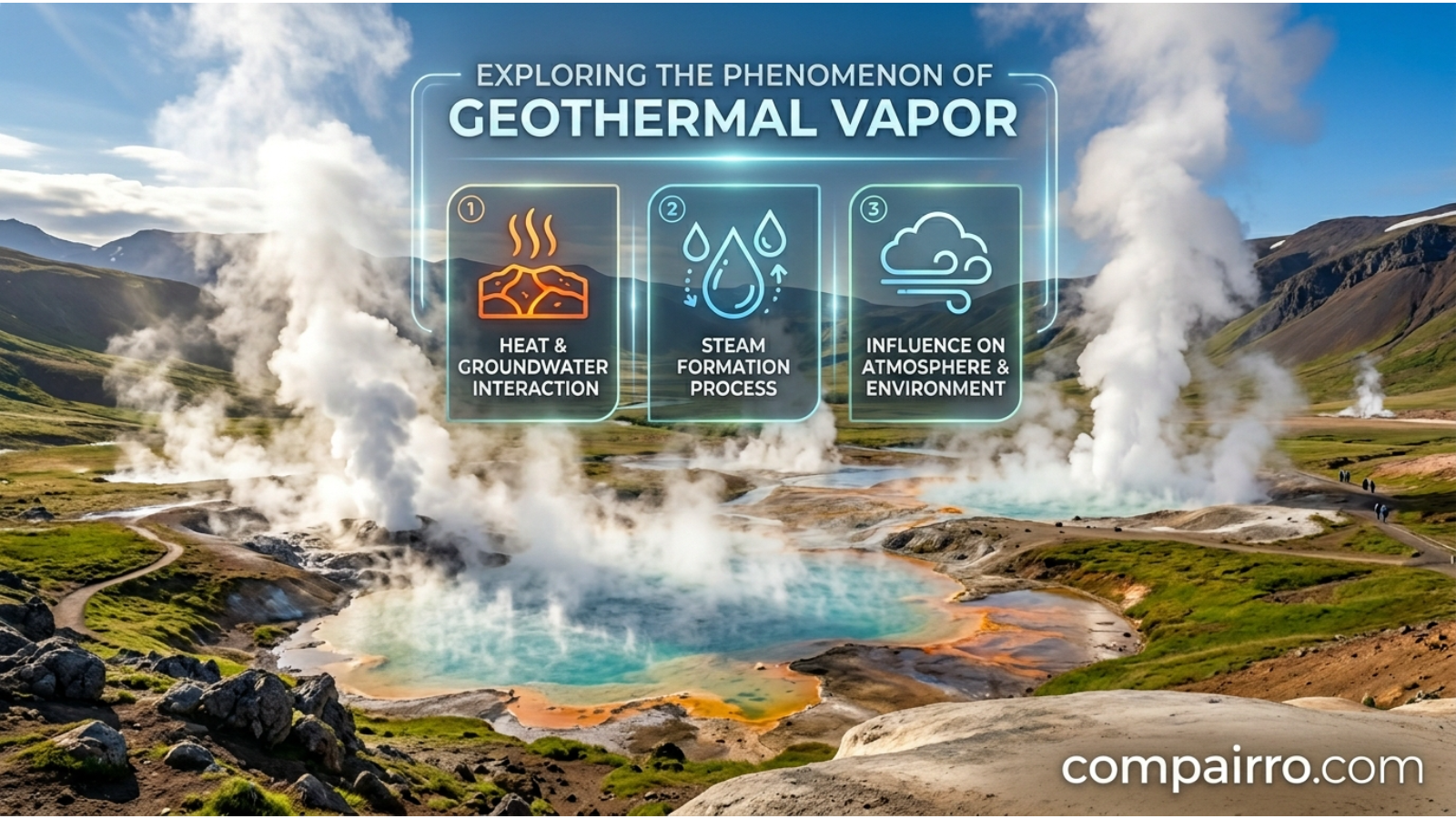
- Exists in gas form
- Can come from liquids or solids
- Often invisible
- Can become liquid again when cooled
Common Examples
- Water vapor
- Steam
- Perfume vapor
- Alcohol vapor
Scientific Features
- Moves freely in the air
- Takes the shape of available space
- Changes with temperature
- Plays a role in weather systems
Everyday Uses
- Cooking
- Weather studies
- Science experiments
- Industrial processes
Simple Trick to Remember Vapour or Vapor
👉 Vapour = British English
👉 Vapor = American English
Think of it this way:
- Colour → Vapour (British style)
- Color → Vapor (American style)
Another easy trick:
👉 If the word ends with -our, it is usually British.
👉 If the word ends with -or, it is usually American.
This simple pattern works for many English words.
FAQs:
1. Is vapour the same as vapor?
Yes. Both words have the same meaning. The difference is only the spelling style.
2. Which spelling is used in the UK?
The UK mainly uses vapour.
3. Which spelling is used in the United States?
The United States mainly uses vapor.
4. Is one spelling more correct than the other?
No. Both are correct in their respective forms of English.
5. Do vapour and vapor sound different?
No. They are pronounced almost the same.
6. Can I use either spelling in science writing?
Yes, but you should follow the spelling style required by your institution or publication.
7. Why does British English use vapour?
British English keeps the traditional -our ending found in many words.
Conclusion
Understanding vapour or vapor is actually very simple. Both words mean the same thing and refer to a substance in its gas form. The only real difference is spelling.
Use vapour for British English and vapor for American English. The meaning, pronunciation, and scientific use remain the same.
The easiest memory rule is:
👉 UK = Vapour
👉 US = Vapor
Choose the spelling that matches your audience, stay consistent, and your writing will be clear and professional.

Sara Taylor is a passionate English content writer who specializes in word meanings, spelling comparisons, and modern slang explanations. She creates easy-to-understand articles that help readers avoid common English mistakes and improve their writing skills. Her content focuses on simple learning, real-life examples, and clear explanations for everyday readers.