Imagine you are reading a news article about shipping, construction, or weight measurements. You see the word ton in one place and tonne in another. Naturally, you may wonder if they mean the same thing or if there is a difference.
Many people search for ton or tonne because these words appear in school books, workplaces, trade reports, transportation documents, and online articles. The confusion often comes from the fact that both words are used to measure weight, but they are not always exactly the same.
You may also notice that some countries prefer one term while others use the other. This can make things even more confusing for students, writers, business owners, and anyone dealing with measurements.
Understanding the difference between ton or tonne is important because using the correct term helps avoid mistakes in communication, shipping, engineering, construction, and education.
In this guide, you’ll learn the meaning, examples, usage, differences, common mistakes, and simple explanations in easy English.
Ton or Tonne – Quick Answer
👉 Ton and tonne are both units of weight, but they are not always equal.
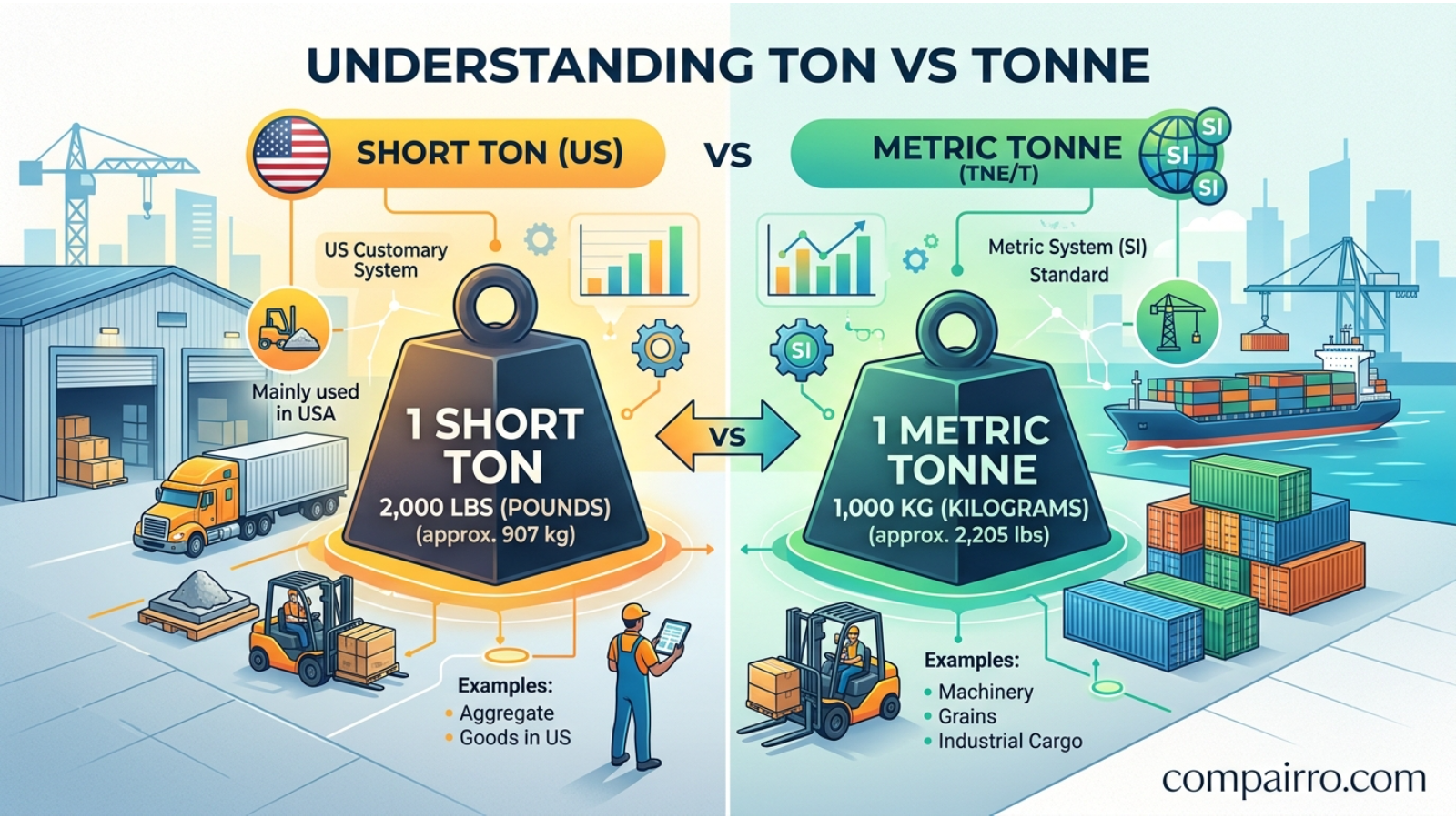
- Tonne = 1,000 kilograms (metric system)
- Ton = Usually refers to a different weight depending on the country
Examples
1 The truck carried 5 tonnes of sand.
2 The shipment weighed 2 tonnes.
3 The machine weighs 3 tons according to the American measurement system.
Simple Rule
👉 Tonne = Metric system (1,000 kg)
👉 Ton = Often used in the US and may have a different weight value
THE ORIGIN OF TON OR TONNE
The word ton comes from an old French word called tonne, which referred to a large cask or barrel used for storing goods.
Over time, the term became a unit of weight. Different countries later developed their own measurement systems, leading to variations such as:
- Metric tonne
- Short ton
- Long ton
Today, tonne is widely used in countries that follow the metric system, while ton remains common in the United States.
BRITISH ENGLISH VS AMERICAN ENGLISH USAGE
The usage of ton or tonne varies depending on the country.
| Feature | British English | American English | Notes |
|---|---|---|---|
| Tonne | Common | Less common | Equals 1,000 kg |
| Ton | Used in some contexts | Very common | Usually means short ton in the US |
| Metric Measurements | Preferred | Used but less common | Depends on industry |
| Everyday Usage | Tonne often used | Ton often used | Regional preference |
WHICH ONE SHOULD YOU USE?
The correct choice depends on the situation.
Use tonne when:
- Writing in the metric system
- Working with kilograms
- Writing academic reports
- Communicating internationally
- Discussing scientific measurements
Use ton when:
- Following American measurement standards
- Referring to US shipping or freight documents
- Using traditional weight measurements
Formal vs Informal
- Tonne is common in formal metric-based writing.
- Ton is common in everyday American English.
COMMON MISTAKES WITH TON OR TONNE
Mistake 1
❌ A tonne equals 2,000 pounds everywhere.
✔ A tonne equals 1,000 kilograms, not 2,000 pounds.
Mistake 2
❌ Ton and tonne always mean exactly the same thing.
✔ They are related but can represent different weights.
Mistake 3
❌ Use ton in all international reports.
✔ Many international reports prefer tonne because it follows the metric system.
Mistake 4
❌ Tonne is only used in Europe.
✔ Many countries around the world use tonne, including Canada, Australia, India, and Pakistan.
TON OR TONNE IN EVERYDAY EXAMPLES
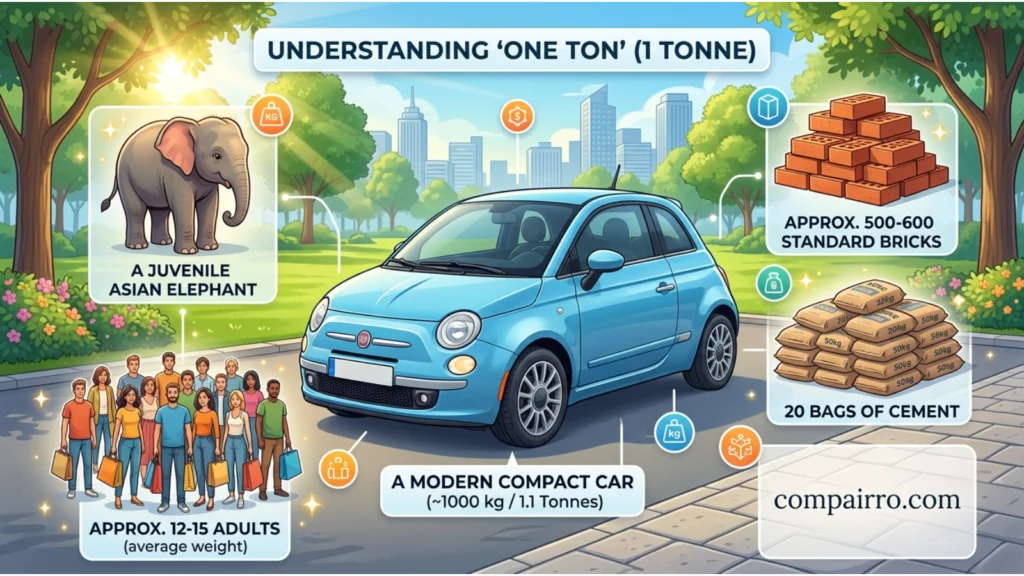
Work
“The company exported 500 tonnes of wheat last year.”
School
“A metric tonne equals 1,000 kilograms.”
Social Media
“The bridge uses thousands of tonnes of steel.”
Daily Life
“A large elephant can weigh several tonnes.”
Text Messages
“My dad’s truck can carry a ton of gravel.”
TON OR TONNE – GOOGLE TRENDS & USAGE DATA

Many people search for ton or tonne because they want to understand measurement differences.
Common reasons include:
- School assignments
- Engineering projects
- Shipping documents
- International trade
- News articles
Popular Countries
Searches frequently come from:
- United States
- United Kingdom
- India
- Pakistan
- Canada
- Australia
Search Trends
Interest often increases when people study measurement systems or work with international documents.
Online Confusion
A common misunderstanding is assuming that ton and tonne are always identical. Search engines receive thousands of questions about this difference every year.
COMPARISON TABLE: TON OR TONNE
| Feature | Ton | Tonne |
|---|---|---|
| Measurement Type | Traditional unit | Metric unit |
| Weight Value | Varies by country | 1,000 kg |
| Common in US | Yes | Less common |
| Common in Metric Countries | Sometimes | Yes |
| Used in Science | Less often | Frequently |
| International Trade | Sometimes | Very common |
TON OR TONNE IN PROFESSIONAL LIFE
Professionals often need to know the difference between ton or tonne.
Industries that use these terms:
- Construction
- Transportation
- Manufacturing
- Mining
- Agriculture
- Shipping
Using the wrong unit can create confusion in contracts, invoices, and reports. That is why many international organizations prefer using tonne for clarity.
TON OR TONNE FOR STUDENTS OR BEGINNERS
Many beginners struggle because both words refer to weight.
Common Confusions
- Thinking both units are always equal
- Mixing metric and non-metric systems
- Using the wrong term in assignments
Easy Learning Tips
- Remember that tonne = 1,000 kg
- Check which measurement system is being used
- Look at the country or document source
- Practice with simple examples
SIGNS OR CHARACTERISTICS RELATED TO TON OR TONNE
Features of a Tonne
- Equals 1,000 kilograms
- Part of the metric system
- Used internationally
- Common in science and trade
Features of a Ton
- Traditional measurement unit
- Common in the United States
- Weight may vary by system
- Frequently used in everyday American English
Common Uses
- Cargo measurement
- Construction materials
- Industrial products
- Agricultural goods
- Heavy machinery
SIMPLE TRICK TO REMEMBER TON OR TONNE
👉 Tonne = Metric
👉 Ton = Often American
Think of it this way:
If kilograms are being used, think tonne.
If an American document mentions weight, think ton.
Example:
- 1,000 kilograms → 1 tonne
- US freight measurement → ton
This simple trick helps you choose the correct word quickly.
FAQs:
1. What is the difference between ton and tonne?
A tonne equals 1,000 kilograms, while a ton can represent a different weight depending on the system used.
2. Is tonne a metric unit?
Yes. A tonne is a metric unit equal to 1,000 kilograms.
3. Which countries use tonne?
Many countries using the metric system, including the UK, Canada, Australia, India, and Pakistan.
4. Is ton used in America?
Yes. Ton is the most common term used in the United States.
5. How many kilograms are in a tonne?
There are exactly 1,000 kilograms in a tonne.
6. Can ton and tonne be used interchangeably?
Not always. Their exact weight values may differ.
7. Which term is better for international communication?
Tonne is often preferred because it follows the metric system and is widely understood internationally.
CONCLUSION
Understanding the difference between ton or tonne is easier once you know that a tonne equals 1,000 kilograms and belongs to the metric system. A ton is commonly used in the United States and may represent a different weight depending on the measurement standard.
The most important thing is to check which system is being used before choosing the term. This helps avoid mistakes in school, work, shipping, and everyday communication.
👉 Final memory rule: Tonne = Metric (1,000 kg), Ton = Often American measurement.

Sara Taylor is a passionate English content writer who specializes in word meanings, spelling comparisons, and modern slang explanations. She creates easy-to-understand articles that help readers avoid common English mistakes and improve their writing skills. Her content focuses on simple learning, real-life examples, and clear explanations for everyday readers.