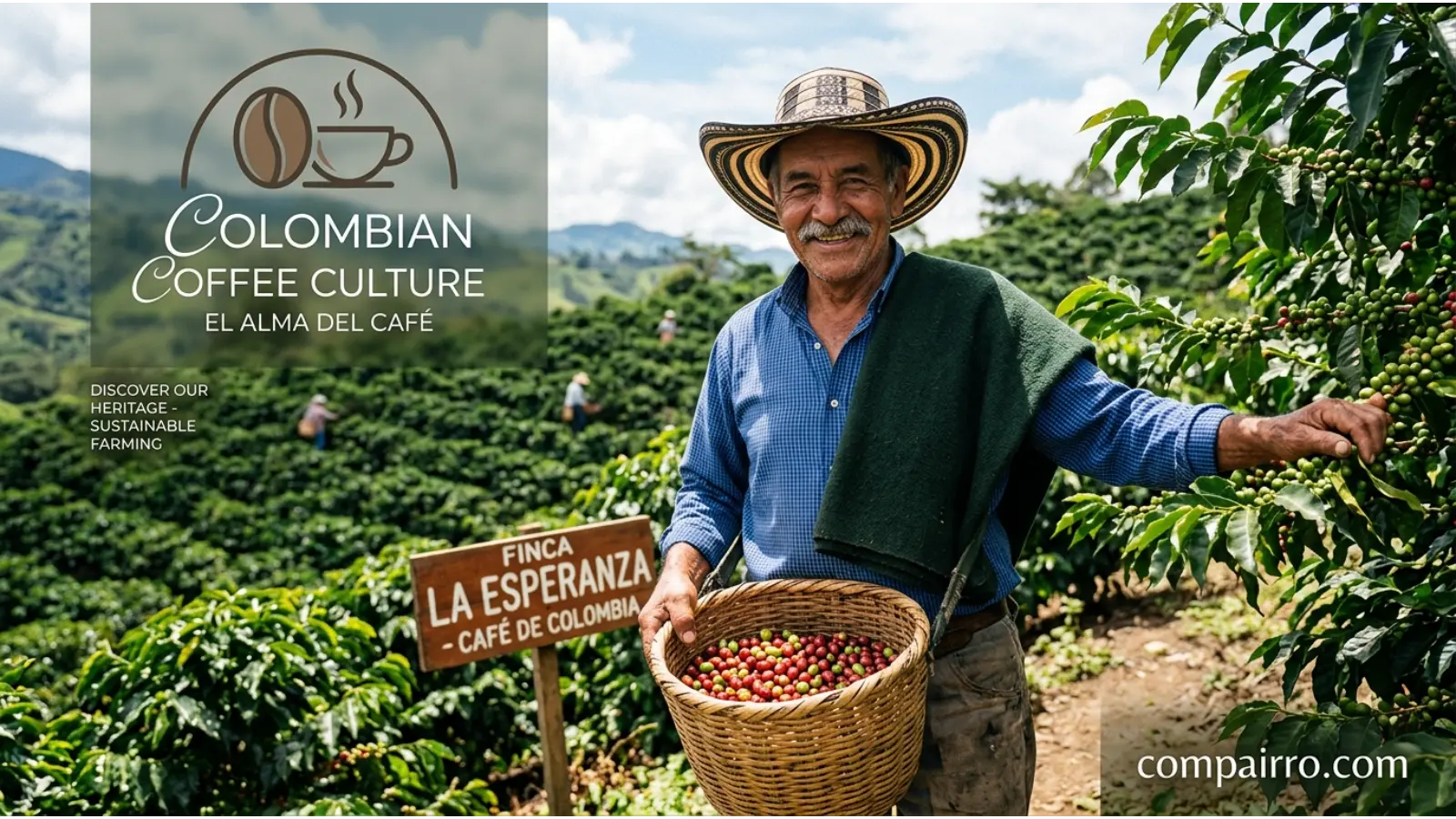
Have you ever seen someone write “Columbian coffee” or “Colombian coffee” and wondered which one is correct? This is a very common confusion online and in everyday conversations. Many people mix up these two words because they look almost the same.
You may see these spellings in school assignments, social media posts, travel blogs, coffee packaging, or even workplace emails. Some people also search for this keyword because they want to avoid spelling mistakes when talking about the country of Colombia or its people.
The confusion mostly happens because the word “Columbia” is also very popular. It appears in names like British Columbia, Columbia University, and Columbia Pictures. Because of this, many people accidentally write “Columbian” instead of “Colombian.”
Understanding the difference matters because using the wrong spelling can look unprofessional or confusing. It is especially important in academic writing, travel content, business communication, and online branding.
In this guide, you’ll learn the meaning, examples, usage, differences, common mistakes, and simple explanations in easy English.
Columbian or Colombian – Quick Answer
👉 Colombian is the correct word when talking about the country Colombia, its people, culture, food, or coffee.
👉 Columbian is usually incorrect in this situation.
Examples
✅ Colombian coffee is famous worldwide.
✅ She is Colombian.
✅ We visited Colombian restaurants in the city.
❌ Columbian coffee is popular.
❌ He is Columbian.
Simple Rule:
👉 Colombia = Colombian
If the country name has an “O,” the correct spelling also uses an “O.”
The Origin of Columbian or Colombian
The word Colombian comes from the country name Colombia, which was named after the explorer Christopher Columbus.
The confusion started because many places and organizations use the spelling Columbia instead. Examples include:
- Columbia University
- British Columbia
- Columbia Records
- District of Columbia
Since people often see “Columbia” in English, they accidentally spell Colombia as “Columbia.” That leads to the incorrect form “Columbian.”
On the internet and social media, this mistake is very common, especially in hashtags, comments, and quick text messages.
British English vs American English Usage
There is no major difference between British English and American English for this word.
Both use:
✅ Colombian
❌ Columbian (when referring to Colombia)
| Feature | British English | American English | Notes |
|---|---|---|---|
| Correct spelling for people from Colombia | Colombian | Colombian | Same worldwide |
| Common mistake | Columbian | Columbian | Incorrect for Colombia |
| Used in formal writing | Yes | Yes | Standard spelling |
Which One Should You Use?
You should almost always use Colombian when talking about:
- The country Colombia
- People from Colombia
- Colombian food
- Colombian culture
- Colombian coffee
- Colombian music
Use “Colombian” in:
- School essays
- Workplace emails
- Travel blogs
- News articles
- Social media posts
- Business branding
When is “Columbian” used?
“Columbian” may appear in some old historical names or organizations related to “Columbia,” but not for Colombia itself.
Common Mistakes With Columbian or Colombian
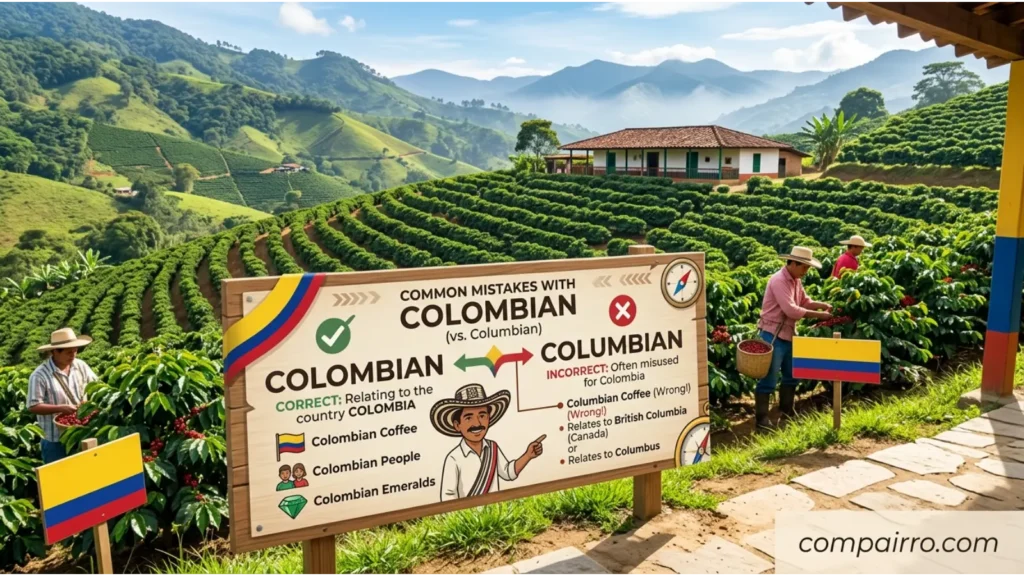
Mistake 1
❌ Columbian coffee is the best.
✔ The correct spelling is Colombian coffee because it comes from Colombia.
Mistake 2
❌ She is a Columbian student.
✔ Use Colombian for nationality.
Mistake 3
❌ Columbia is a country in South America.
✔ The country name is Colombia.
Mistake 4
❌ I love Columbian culture.
✔ The correct phrase is Colombian culture.
Columbian or Colombian in Everyday Examples
Work
✅ Our company imports Colombian coffee beans.
School
✅ The student gave a presentation about Colombian history.
Social Media
✅ I want to visit Colombian beaches someday.
Daily Life
✅ Colombian food has rich flavors and spices.
Text Messages
✅ “Do you know any good Colombian restaurants nearby?”
Columbian or Colombian – Google Trends & Usage Data

Many people search for “Columbian or Colombian” because the spellings are very similar. Search interest is high among students, writers, travelers, and coffee lovers.
Why people search this keyword:
- Spelling confusion
- Coffee-related searches
- Travel content
- Social media writing
- Academic work
Popular countries searching this topic:
- United States
- United Kingdom
- India
- Pakistan
- Canada
- Australia
Online searches also increase when people discuss:
- Colombian coffee
- Colombian music
- Colombian football players
- Colombian tourism
Google often shows this keyword in “People Also Ask” sections because it is a common English spelling mistake
Comparison Table: Columbian vs Colombian
| Feature | Columbian | Colombian |
|---|---|---|
| Correct for Colombia | ❌ No | ✅ Yes |
| Refers to country Colombia | ❌ No | ✅ Yes |
| Common online mistake | ✅ Yes | ❌ No |
| Used in formal writing | Rarely | Very common |
| Used for coffee branding | Incorrect | Correct |
| Professional spelling | ❌ No | ✅ Yes |
Columbian or Colombian in Professional Life
Correct spelling is very important in professional communication. Businesses, writers, teachers, and marketers should always use Colombian correctly.
Professional areas where spelling matters:
- Coffee businesses
- Travel companies
- International trade
- School assignments
- News writing
- Digital marketing
Using the wrong spelling may make content look less trustworthy or less professional.
For example:
✅ Colombian coffee export company
❌ Columbian coffee export company
Columbian or Colombian for Students or Beginners
Many beginners struggle with this spelling because the words look nearly identical.
Common confusion:
- Mixing up Colombia and Columbia
- Seeing “Columbia” in popular brand names
- Fast typing mistakes
Easy learning tips:
- Remember the country is Colombia
- Match the “O” sound: Colombia → Colombian
- Practice writing the correct form daily
- Read examples online
Students can also remember that dictionaries and official maps always use Colombia.
Signs or Characteristics Related to Columbian or Colombian
Characteristics of Correct Usage
- Uses “Colombian” for nationality
- Matches the country name Colombia
- Common in travel and coffee topics
- Used in professional writing
Characteristics of Incorrect Usage
- Uses “Columbian” accidentally
- Confuses Colombia with Columbia
- Common in quick social media posts
- Often caused by typing habits
Simple Trick to Remember Columbian or Colombian
👉 ColOmbia = ColOmbian
Both words contain the letter “O.”
Think of it this way:
- ColOmbia → ColOmbian ✅
- Not Columbia → Columbian ❌
Easy Example:
👉 If the country has an “O,” the nationality also keeps the “O.”
This simple trick helps many beginners avoid spelling mistakes.
FAQS:
Is Columbian ever correct?
Yes, but usually only for names connected to “Columbia,” not the country Colombia.
Which spelling is correct for coffee?
✅ Colombian coffee is correct.
Is Colombia spelled with a U?
No. The correct country spelling uses an “O.”
Why do people write Columbian?
People confuse Colombia with other names like Columbia University or British Columbia.
Is Colombian used worldwide?
Yes. Both British and American English use “Colombian.”
How can I remember the correct spelling?
Remember: ColOmbia → ColOmbian.
Is Columbian a grammar mistake?
It is a spelling mistake when referring to Colombia or its people.
Conclusion
The difference between Columbian or Colombian is simple once you understand the country name. The correct spelling for the country, people, culture, and coffee is Colombian.
Many people make this mistake because “Columbia” is also a common English word used in names and places. Still, professional and correct English uses Colombian for anything related to Colombia.
A final easy memory rule:
👉 ColOmbia = ColOmbian
Keep the “O” in both words, and you’ll remember the correct spelling every time.

Sara Taylor is a passionate English content writer who specializes in word meanings, spelling comparisons, and modern slang explanations. She creates easy-to-understand articles that help readers avoid common English mistakes and improve their writing skills. Her content focuses on simple learning, real-life examples, and clear explanations for everyday readers.