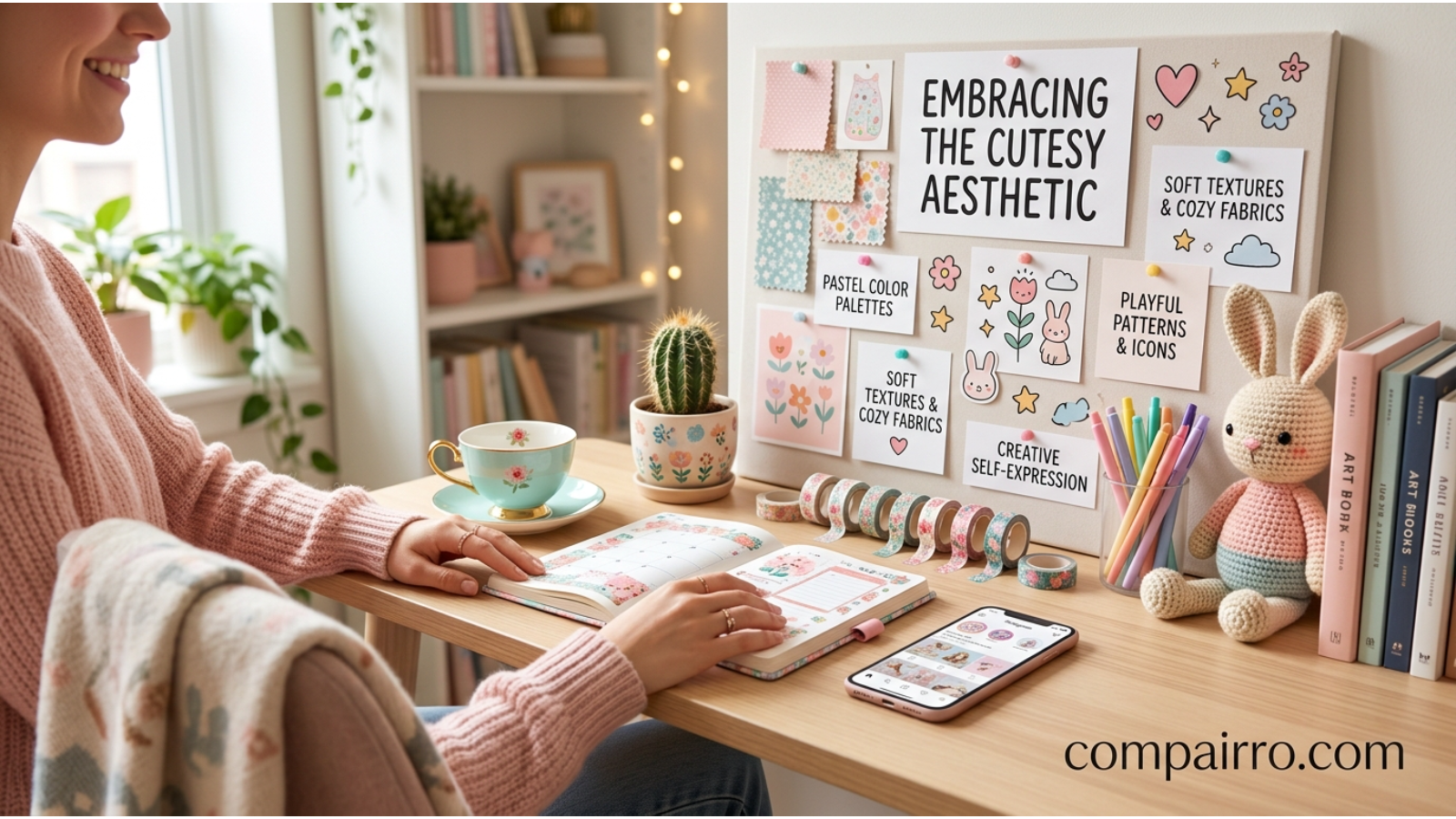
Have you ever seen someone describe a photo, outfit, pet, or message as “cutesie” or “cutesy” and wondered which spelling is correct?
This is a common question because both words appear online, especially on social media platforms like TikTok, Instagram, X, and Facebook. You might also see them in text messages, blogs, product descriptions, and casual conversations.
Many people use these words when talking about something sweet, adorable, charming, or overly cute. However, the spellings can create confusion. Some people believe they mean different things, while others think one spelling is wrong.
Understanding the difference matters because using the correct form can make your writing clearer. Whether you’re a student, content creator, business owner, or simply someone who enjoys using modern English, knowing when to use cutesie or cutesy can help you communicate better.
In this guide, you’ll learn the meaning, examples, usage, differences, common mistakes, and simple explanations in easy English.
Cutesie or Cutesy – Quick Answer
👉 Cutesy is the standard and widely accepted spelling.
👉 Cutesie is an alternative informal spelling that some people use online or in casual conversations.
Simple Definition
Cutesy means something that is intentionally sweet, adorable, charming, or excessively cute.
Examples
1 That greeting card looks very cutesy.
2 She decorated her room with a cutesy style.
3 The puppy’s outfit is so cutesie.
Simple Rule
👉 Cutesy = standard dictionary spelling
👉 Cutesie = informal variation often seen online
The Origin of Cutesie or Cutesy
The word cutesy comes from the adjective cute.
It began appearing in English during the early 1900s. People used it to describe things that were charming, sweet, or intentionally adorable.
Over time, the word became popular in fashion, advertising, entertainment, and everyday conversations.
The spelling cutesie developed later as a playful variation. Social media, texting, and internet culture helped make this spelling more common, especially among younger users.
Today, both forms are recognized by many English speakers, but cutesy remains the preferred spelling in most dictionaries.
British English vs American English Usage
Unlike words such as “color” and “colour,” there is no major spelling difference between British and American English for cutesy.
Both regions generally prefer cutesy.
| Feature | British English | American English | Notes |
|---|---|---|---|
| Preferred spelling | Cutesy | Cutesy | Most common form |
| Informal variation | Cutesie | Cutesie | Seen online |
| Dictionary acceptance | Yes | Yes | Mainly for cutesy |
| Meaning | Same | Same | No difference |
Which One Should You Use?
For most situations, cutesy is the better choice.
Use Cutesy When:
- Writing school assignments
- Creating blog posts
- Publishing articles
- Writing product descriptions
- Using professional English
- Creating marketing content
Use Cutesie When:
- Texting friends
- Writing playful social media captions
- Using casual internet language
- Creating a fun personal style
Formal vs Informal
- Cutesy = More accepted and standard
- Cutesie = More playful and informal
Common Mistakes With Cutesie or Cutesy
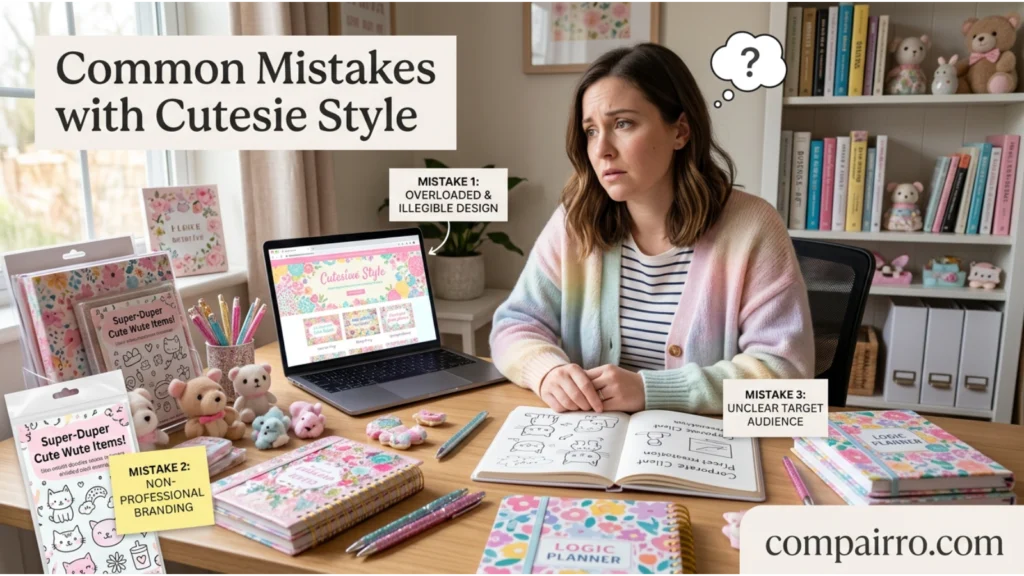
Mistake 1
❌ This is the official dictionary spelling: cutesie.
✔ Most dictionaries list cutesy as the standard spelling.
Mistake 2
❌ Cutesie and cutesy have completely different meanings.
✔ They usually express the same idea of being cute or overly cute.
Mistake 3
❌ Cutesie should be used in academic writing.
✔ Academic and professional writing usually prefer cutesy.
Mistake 4
❌ Cutesy always means genuinely cute.
✔ Sometimes cutesy can suggest something is overly sweet or trying too hard to be cute.
Cutesie or Cutesy in Everyday Examples

Work
✅ The marketing team created a cutesy logo for the children’s brand.
✅ The packaging has a cutesy design that attracts customers.
School
✅ Her notebook has a cutesy cover with cartoon animals.
✅ Students decorated the classroom with cutesy posters.
Social Media
✅ That puppy video is so cutesy.
✅ Your profile picture looks really cutesie.
Daily Life
✅ The café has a cutesy interior design.
✅ She bought a cutesy phone case.
Text Messages
✅ That outfit is so cutesy! 😍
✅ Your new kitten is absolutely cutesie.
Cutesie or Cutesy – Google Trends & Usage Data
Many people search for cutesie or cutesy because they are unsure which spelling is correct.
The keyword receives attention from:
- Students learning English
- Content creators
- Bloggers
- Social media users
- Online shoppers
- Writers
Popular Countries
The term is commonly searched in:
- United States
- United Kingdom
- India
- Pakistan
- Canada
- Australia
Why Searches Are Growing
- Increased social media usage
- Fashion and lifestyle content
- Cute aesthetic trends
- Text messaging culture
- Online language discussions
Many beginners become confused because both spellings appear frequently on the internet.
Comparison Table: Cutesie or Cutesy
| Feature | Cutesy | Cutesie |
|---|---|---|
| Standard spelling | Yes | No |
| Dictionary preference | High | Lower |
| Meaning | Cute or overly cute | Same meaning |
| Professional writing | Recommended | Usually avoided |
| Social media use | Common | Common |
| Text messages | Common | Very common |
| Formal documents | Suitable | Not preferred |
Cutesie or Cutesy in Professional Life
In professional settings, cutesy is usually the safer choice.
You may see it used in:
- Marketing campaigns
- Product descriptions
- Design reviews
- Fashion writing
- Lifestyle blogs
Example:
✅ The company launched a cutesy branding style aimed at young families.
Businesses generally avoid cutesie because it can look less formal.
Cutesie or Cutesy for Students or Beginners
Many learners struggle with these words because both spellings look correct.
Common Confusions
- Which spelling appears in dictionaries?
- Do they have different meanings?
- Can both be used in writing?
Easy Tips
- Learn cutesy first.
- Use cutesy in school work.
- Remember that cutesie is mostly informal.
- Check spelling when writing professionally.
The more you read English articles and books, the easier this becomes.
Signs or Characteristics Related to Cutesie or Cutesy
Things often described as cutesy include:
Appearance
- Bright colors
- Small decorative items
- Cartoon characters
- Heart shapes
- Cute animals
Design Style
- Soft aesthetics
- Playful artwork
- Friendly visuals
- Sweet themes
Communication
- Cute nicknames
- Friendly emojis
- Playful messages
- Adorable captions
Fashion
- Pastel clothing
- Cute accessories
- Decorative patterns
- Fun designs
Simple Trick to Remember Cutesie or Cutesy
👉 Cutesy = Standard spelling
👉 Cutesie = Casual internet variation
Think of it this way:
If you’re writing something important, choose cutesy.
If you’re texting a friend and being playful, cutesie may appear naturally.
Example:
- School essay → cutesy ✅
- Fun text message → cutesie 😊
A simple memory trick:
👉 “Y” for Your writing.
When in doubt, use cutesy.
FAQs:
1. Is cutesy or cutesie correct?
Both are used, but cutesy is the standard spelling.
2. What does cutesy mean?
It means sweet, adorable, charming, or intentionally cute.
3. Is cutesie a real word?
Yes, many people use it informally, especially online.
4. Which spelling should I use in school?
Use cutesy because it is the standard form.
5. Is cutesy a compliment?
Usually yes. However, it can sometimes suggest something is overly cute.
6. Do Americans and British people use different spellings?
No. Both generally use cutesy.
7. Why do people write cutesie?
Many people prefer it because it sounds playful and friendly in casual communication.
Conclusion
The debate between cutesie or cutesy is mostly about spelling rather than meaning. Both forms refer to something sweet, adorable, or intentionally cute. However, cutesy is the standard spelling and is the best choice for most writing situations.
If you’re writing for school, work, blogging, or professional content, choose cutesy. If you’re chatting with friends or posting casually online, you may also see cutesie used as a playful variation.
Remember this simple rule:
👉 When unsure, use cutesy.
That one easy tip will help you choose the correct spelling almost every time.

Sara Taylor is a passionate English content writer who specializes in word meanings, spelling comparisons, and modern slang explanations. She creates easy-to-understand articles that help readers avoid common English mistakes and improve their writing skills. Her content focuses on simple learning, real-life examples, and clear explanations for everyday readers.